Laura Diggens
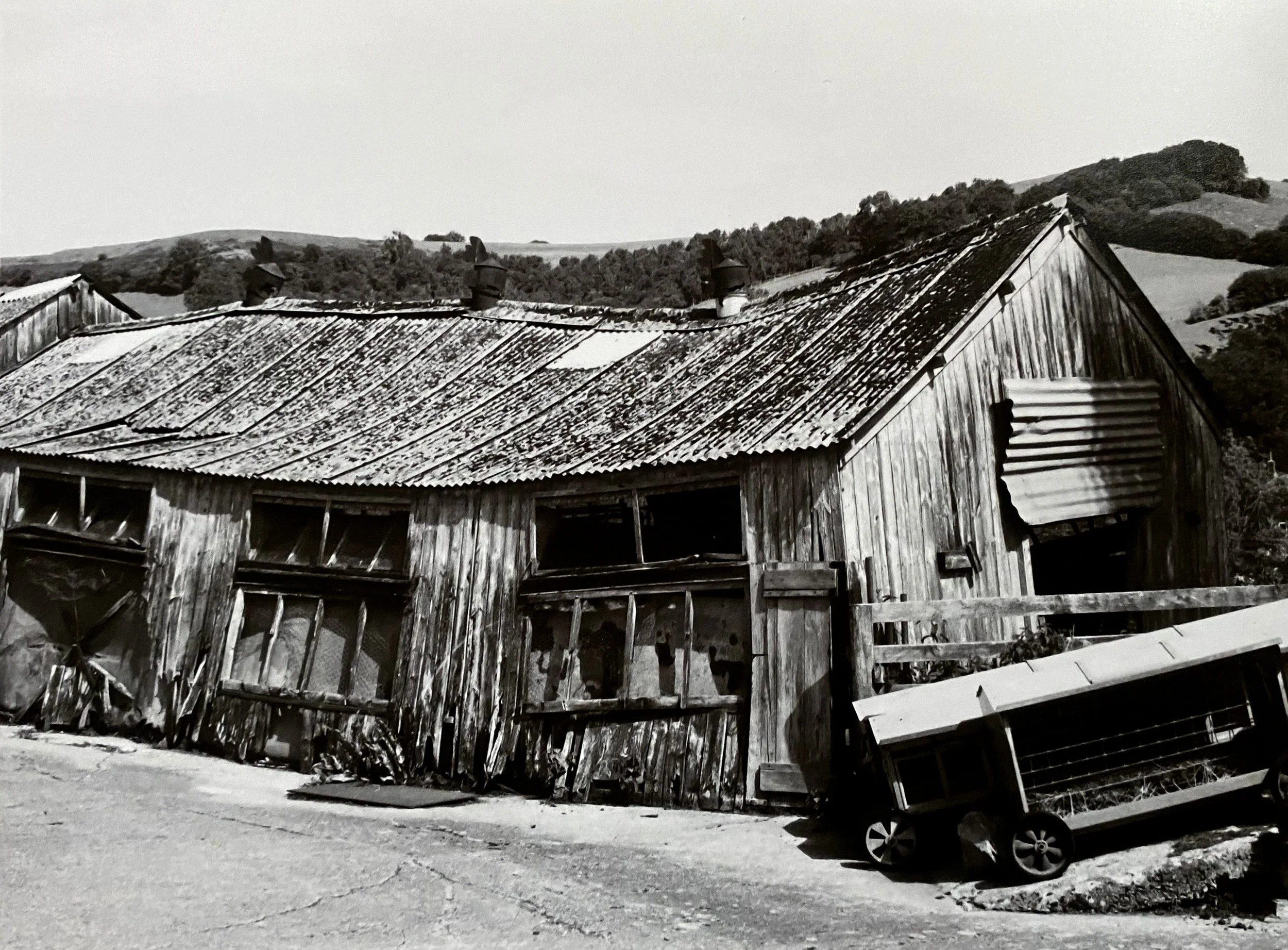
The ruinous states of buildings in the western world has captured the imagination since the 18th century. From Piranesi and his Roman ‘vedute’ to the Picturesque movement and their designed ruined follies sited in English country gardens and parkland, the decay of a building tells of neglect and loss yet sparks in us a desire to romanticise the deterioration.
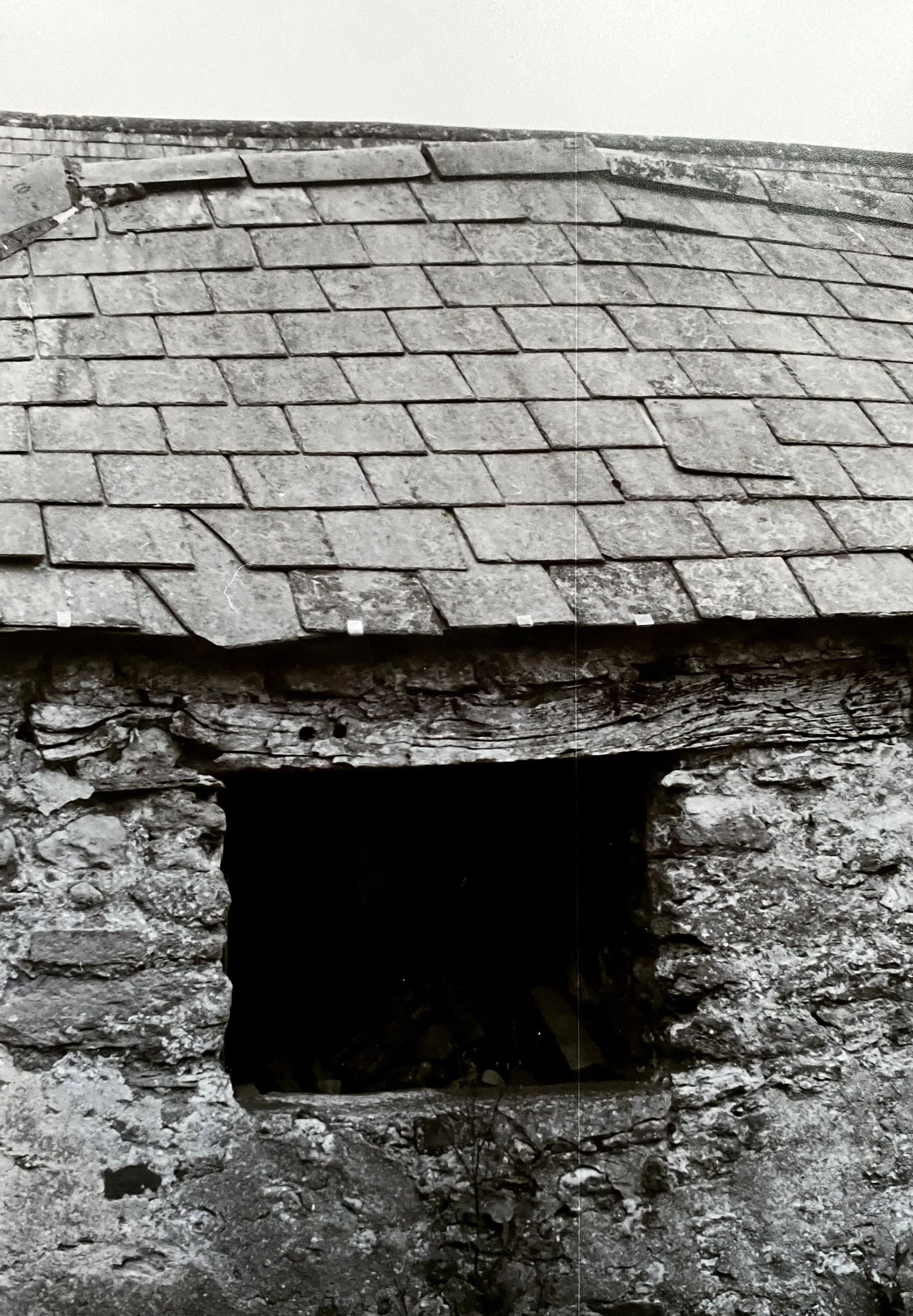
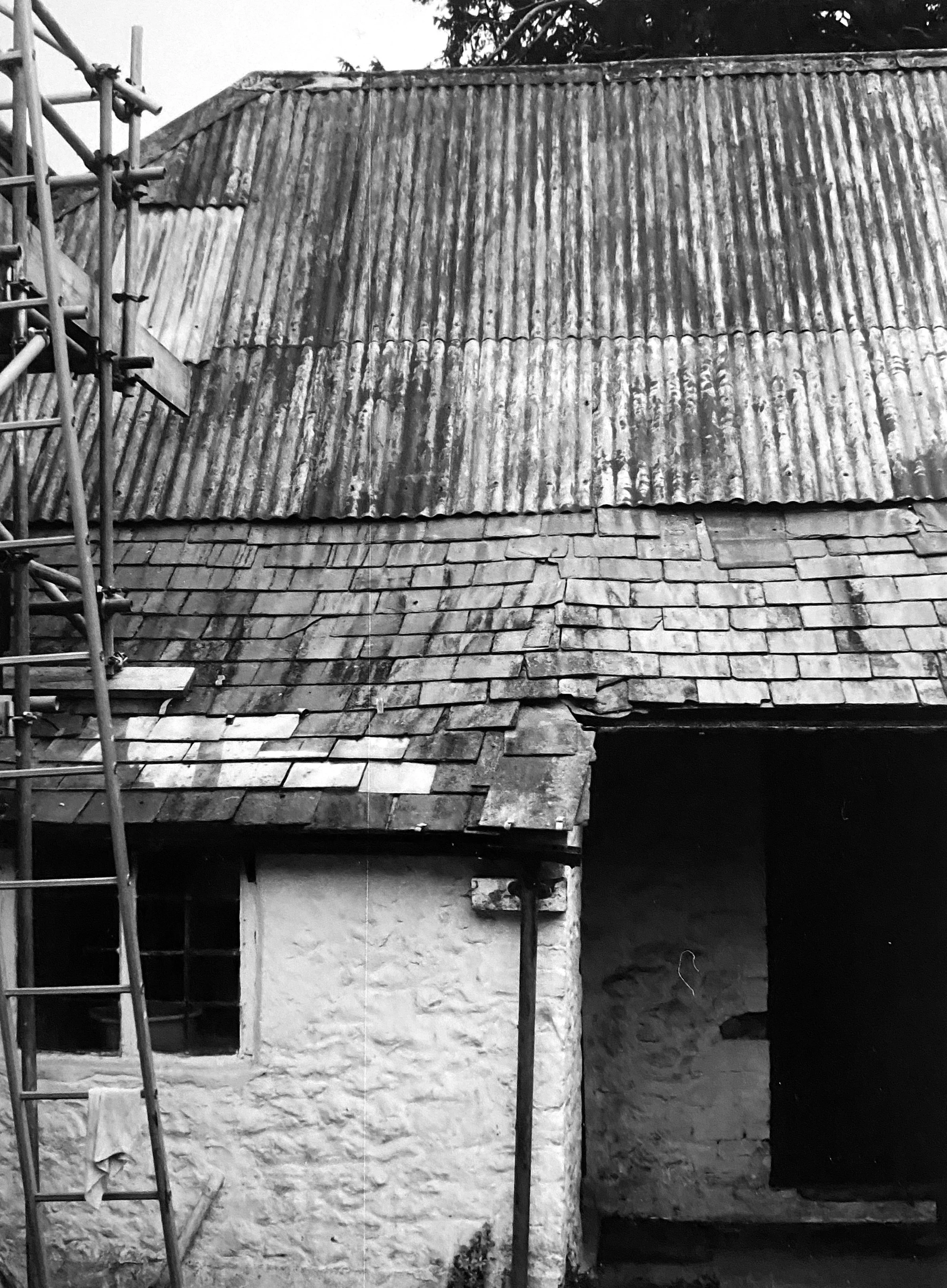
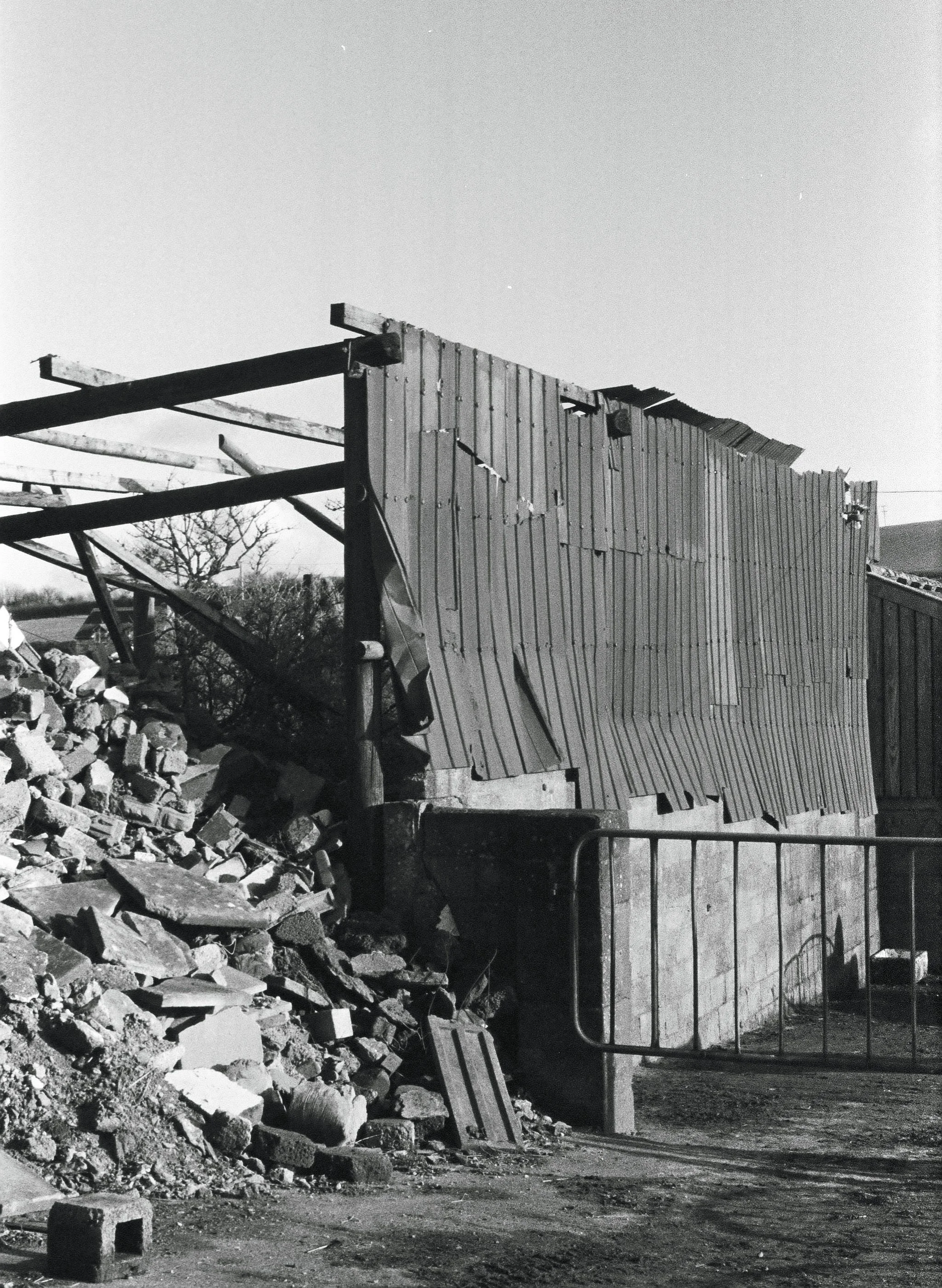
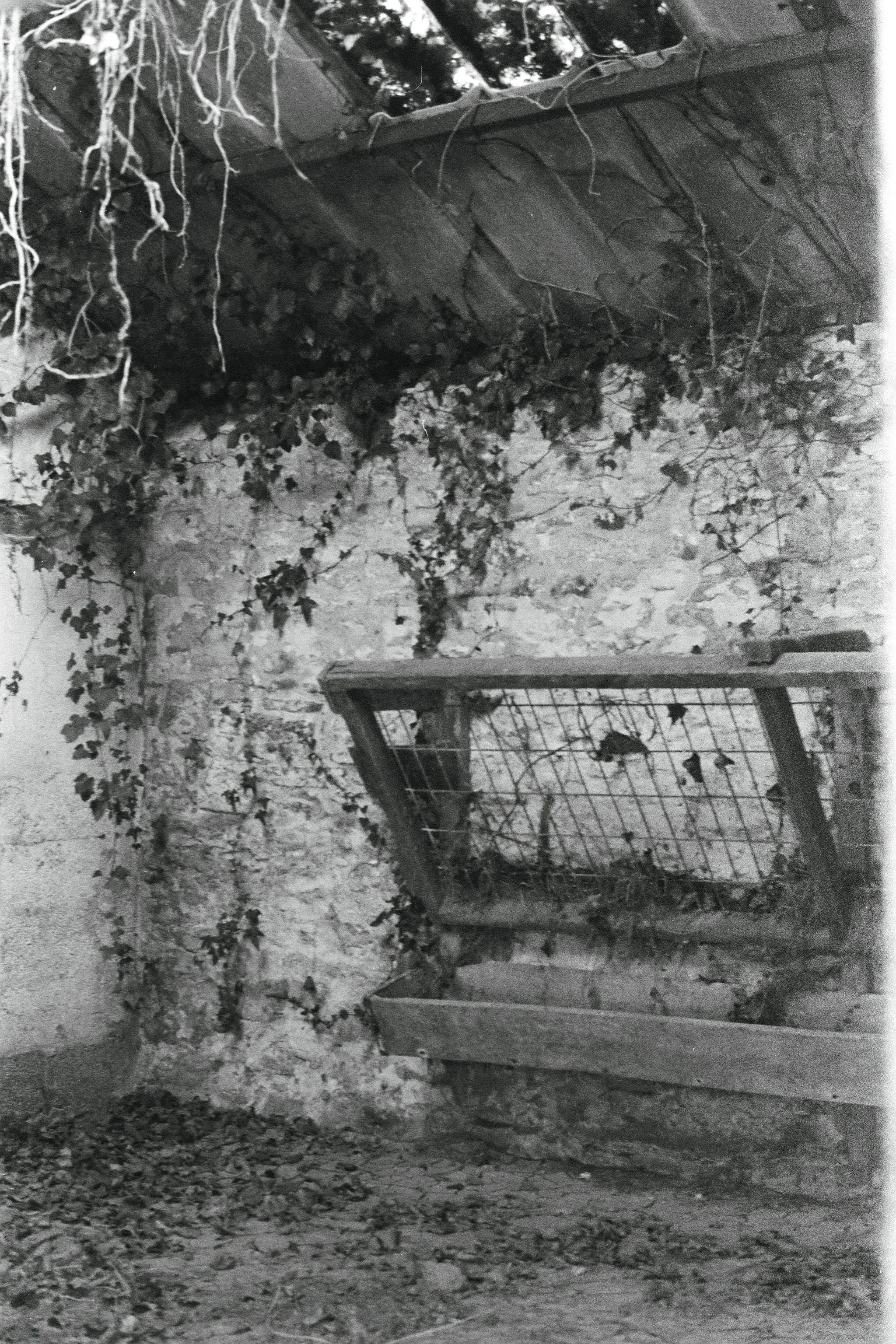
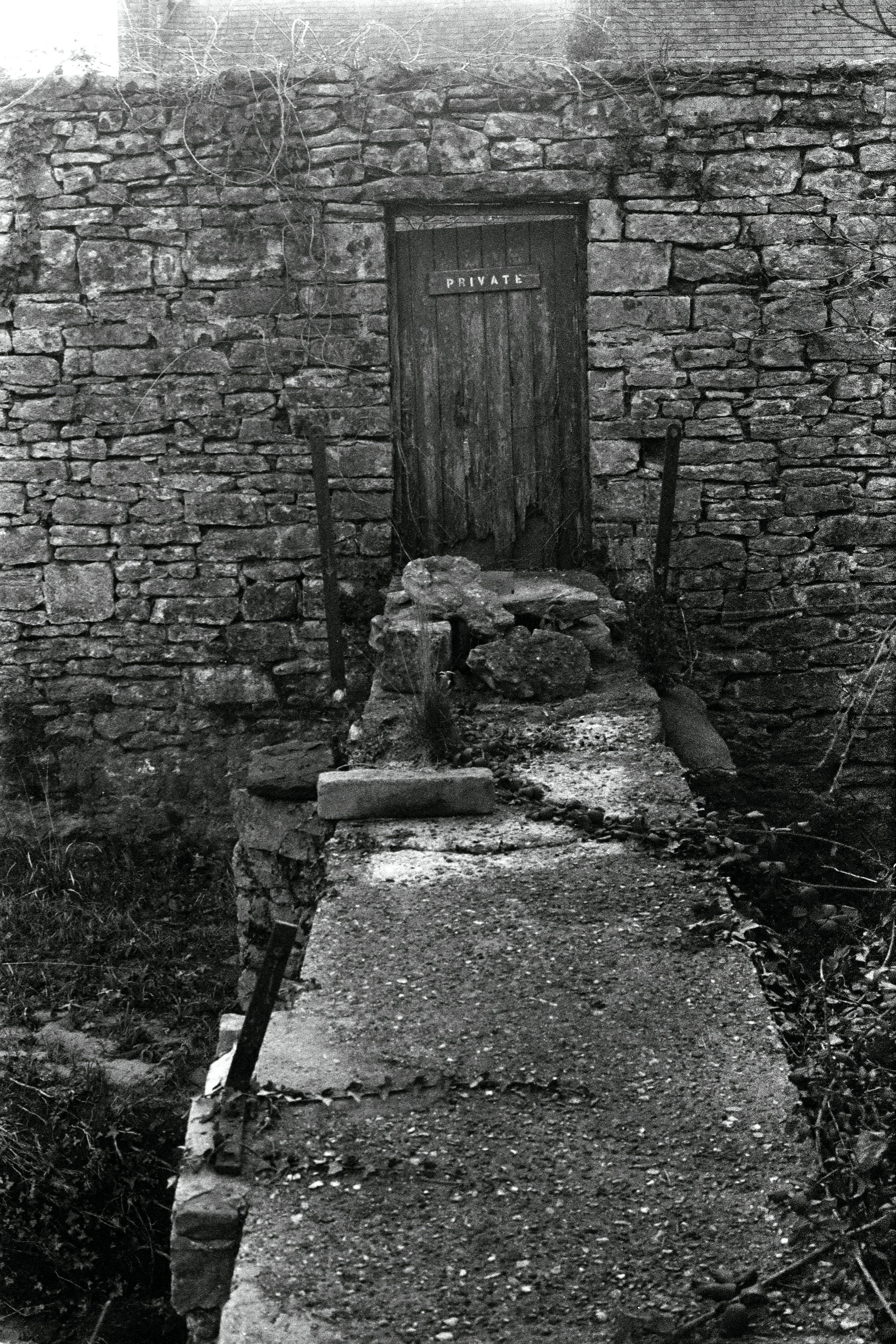
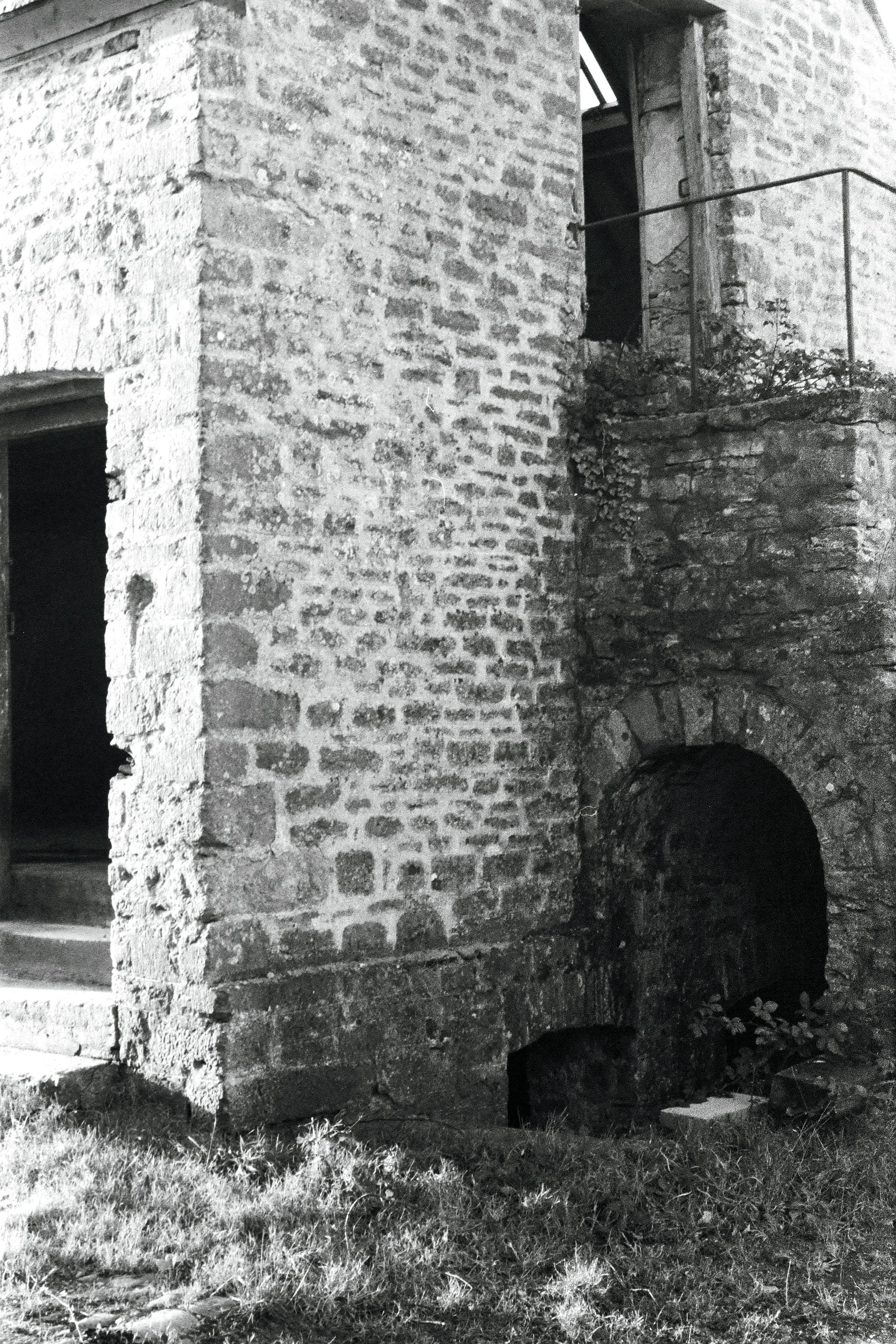
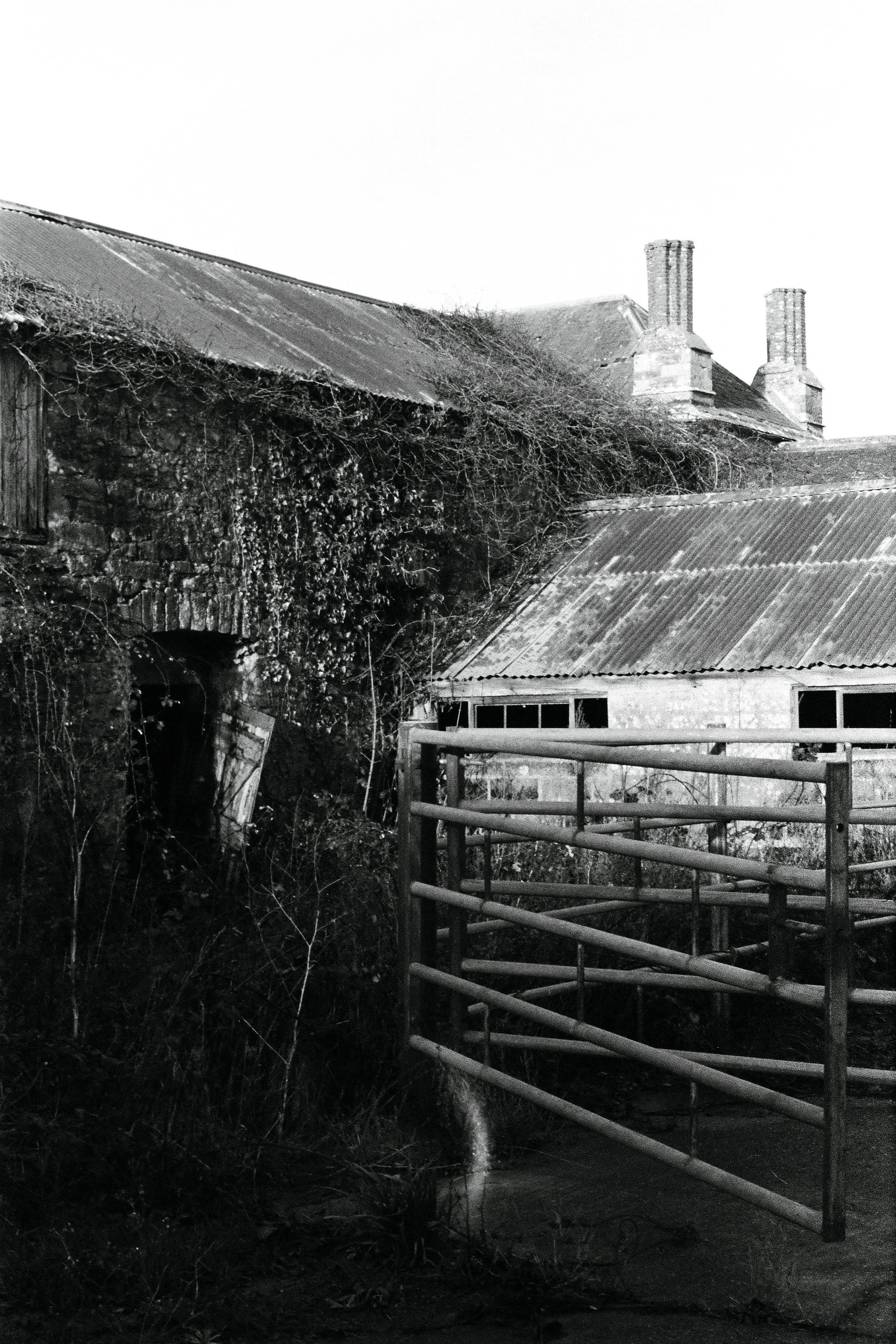
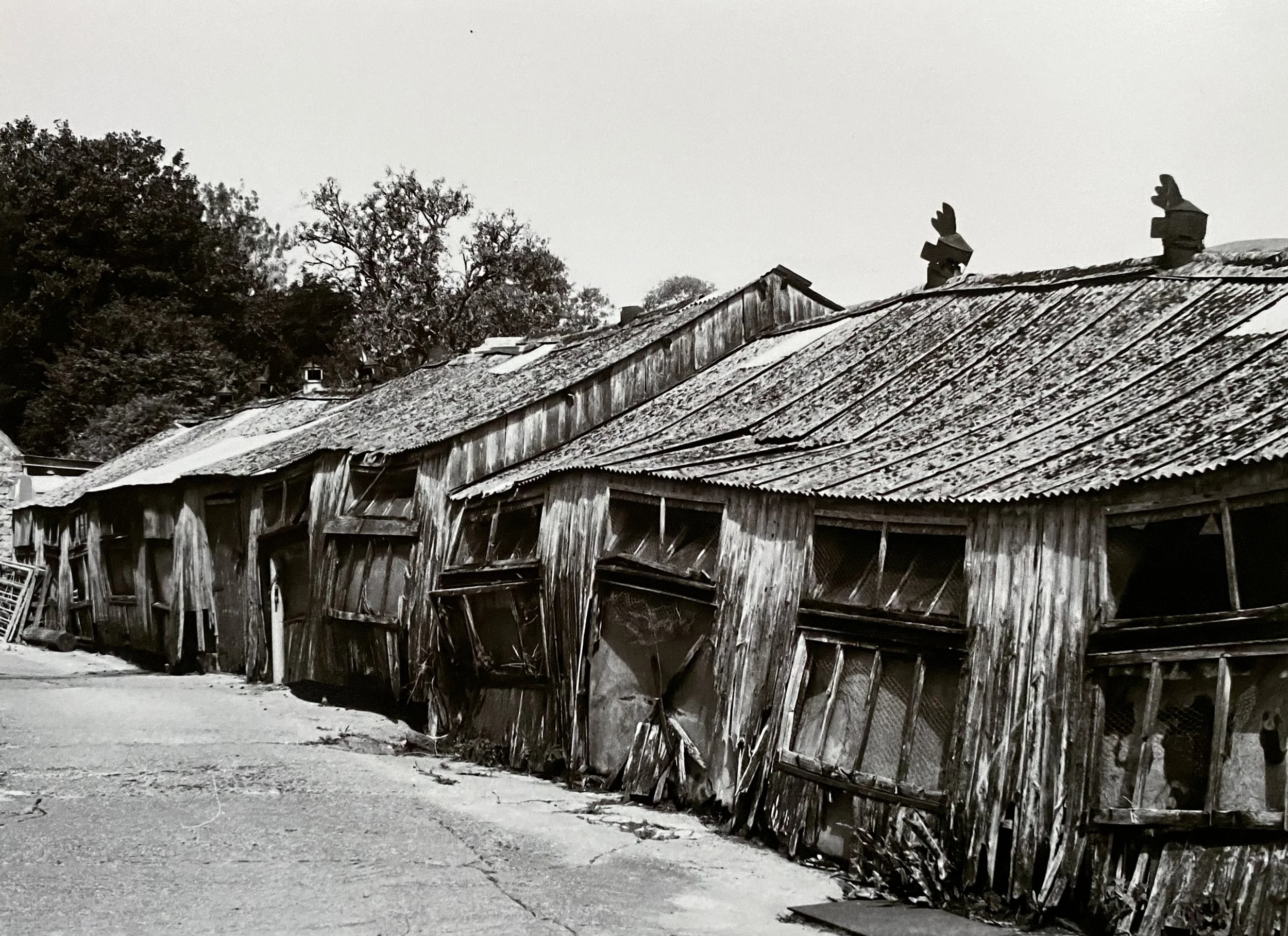
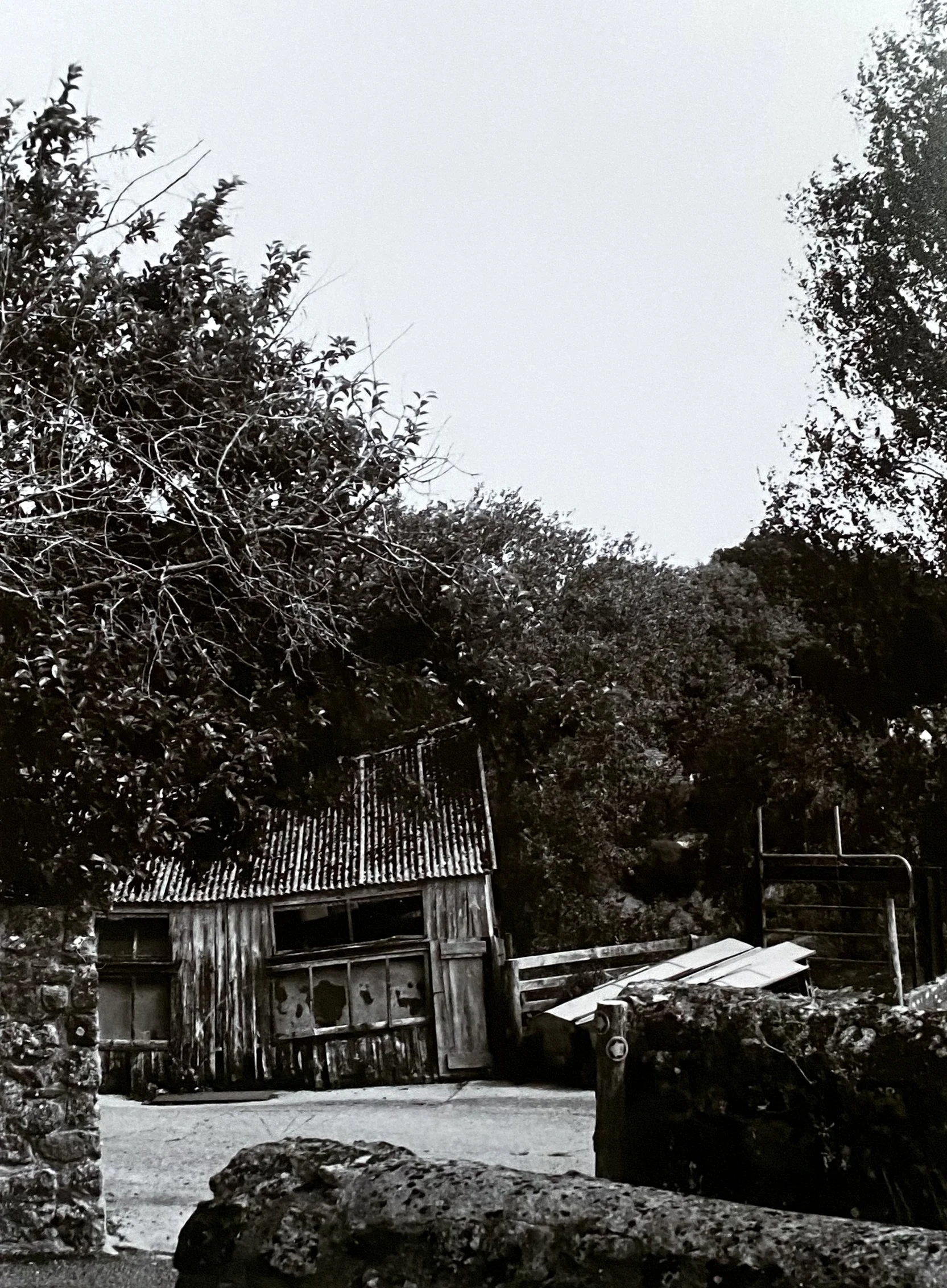
And so it remains with the rural infrastructure that quietly erodes around us. Farmyards scattered with buildings that no longer serve a purpose. The threshing barns, granaries, cart sheds, do not now grant shelter to animals nor dry spaces for corn or hay. Instead they are surrounded by vast, industrial-scale hanger barns that have usurped their older counterparts, rendering their upkeep pointless.
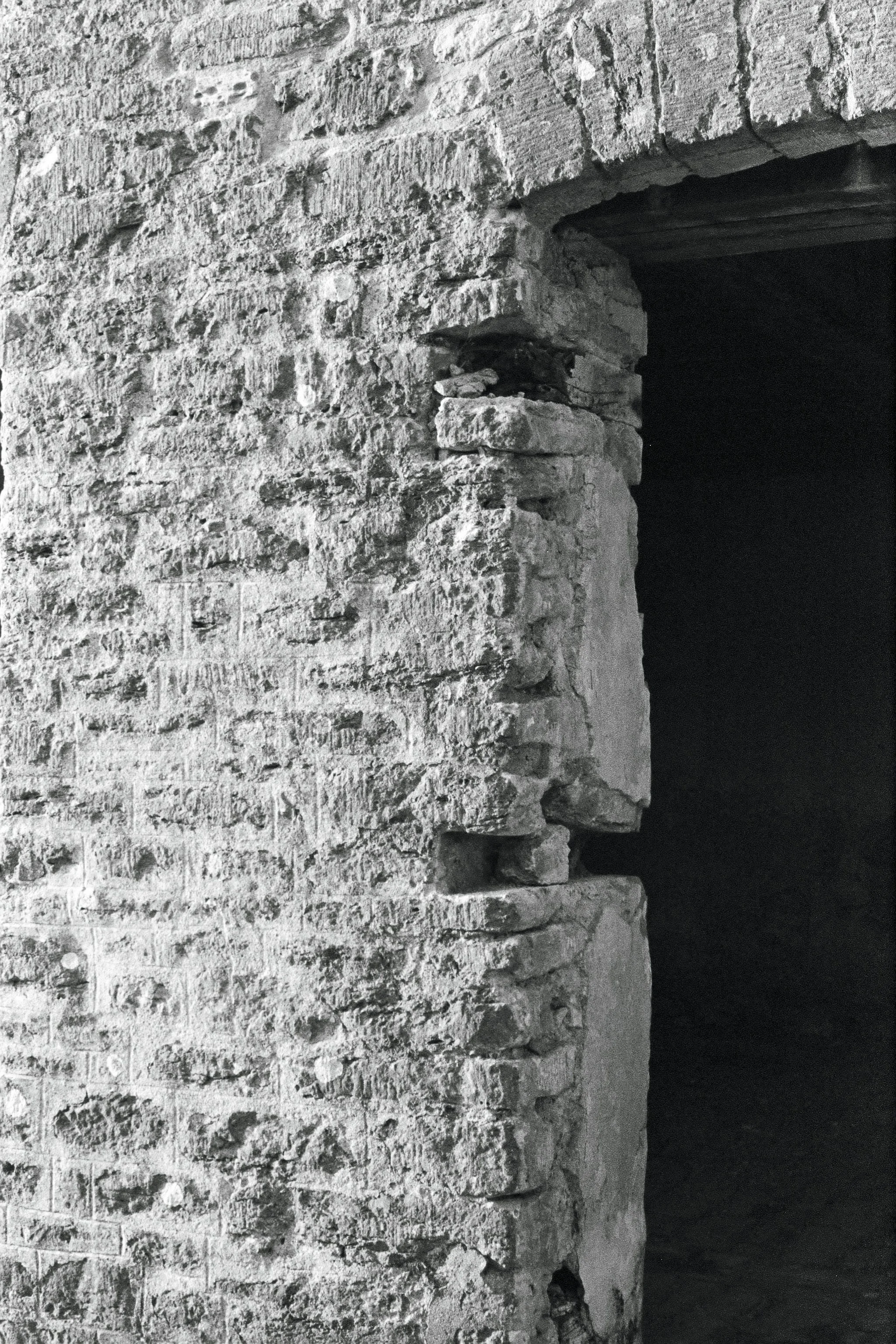
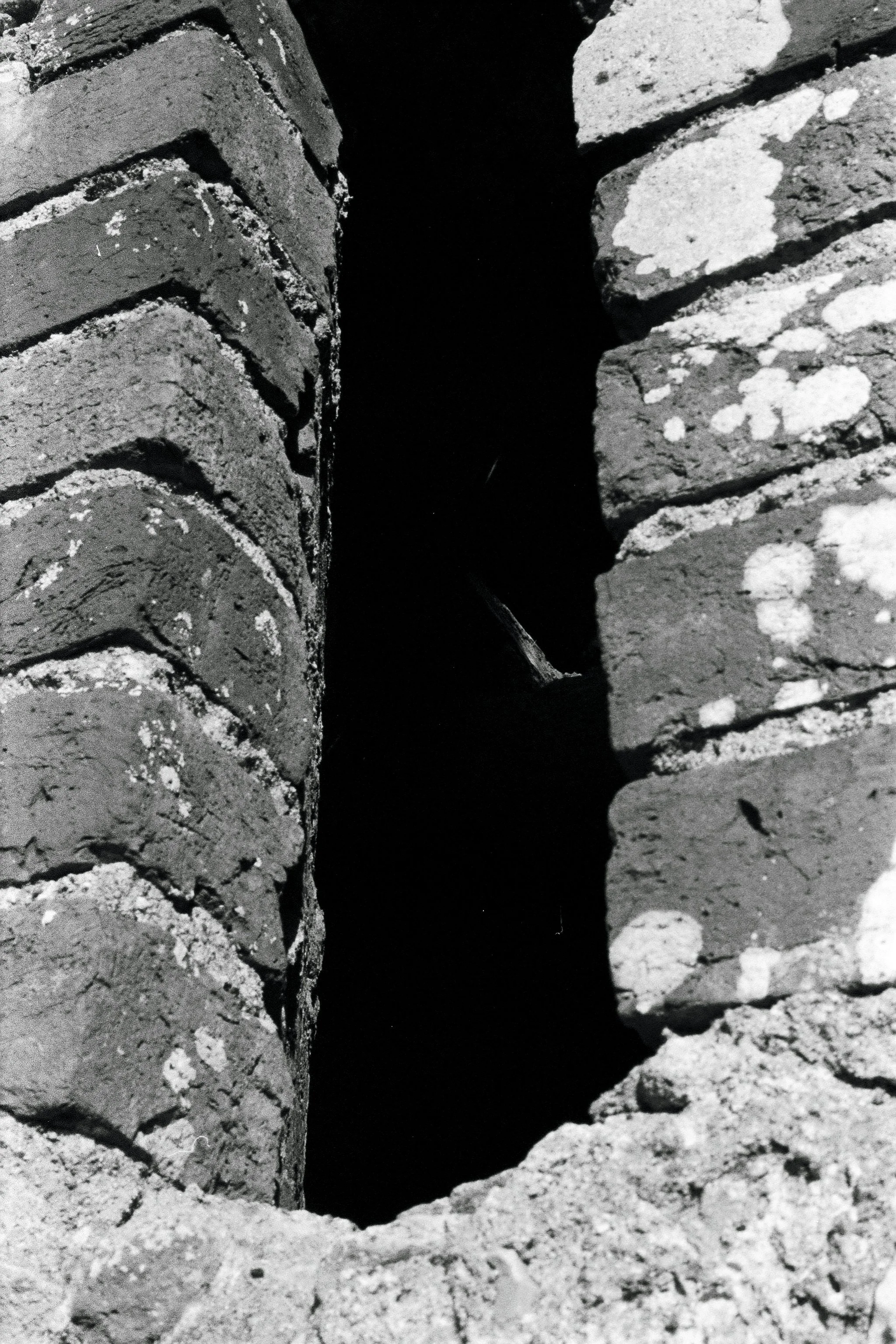
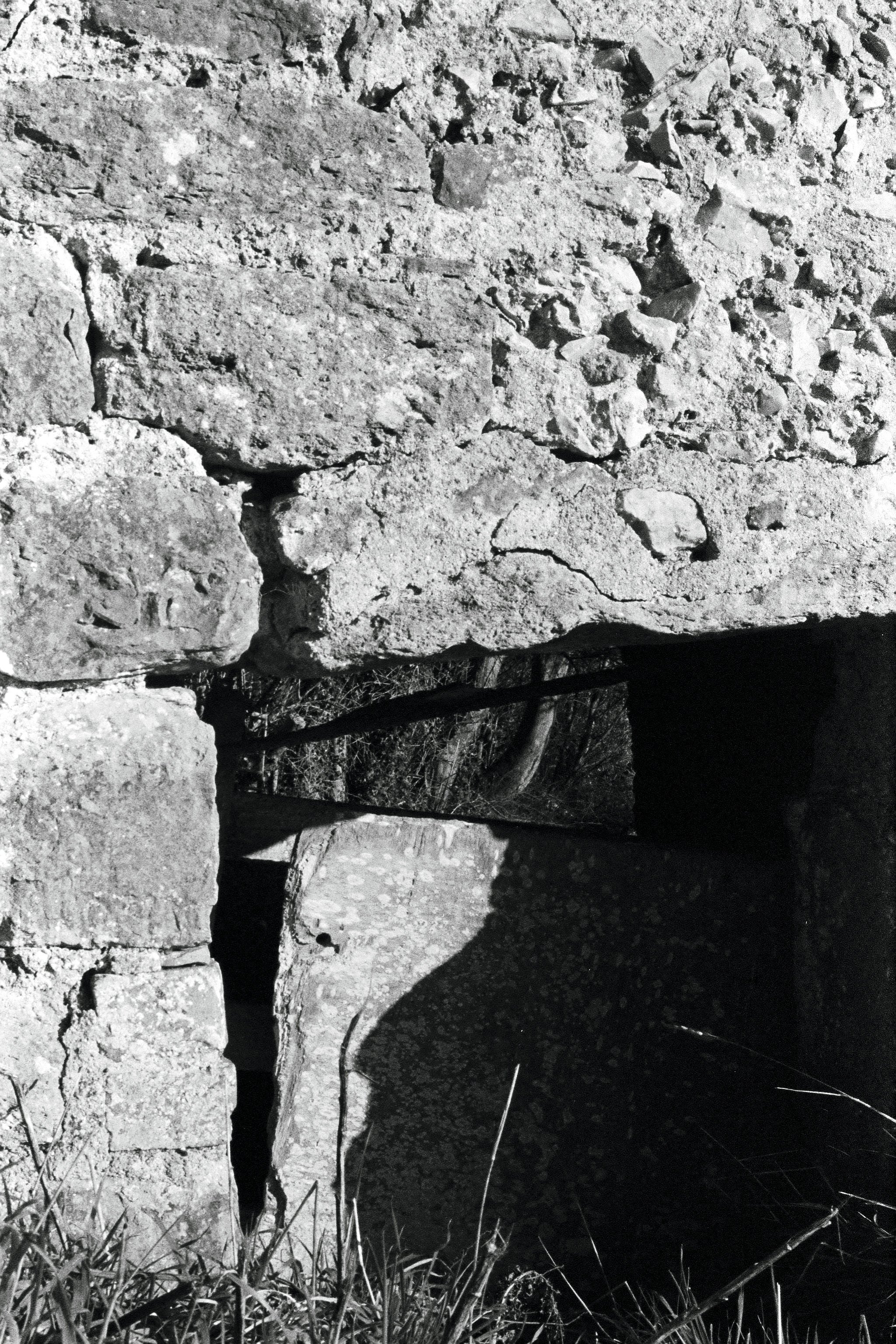
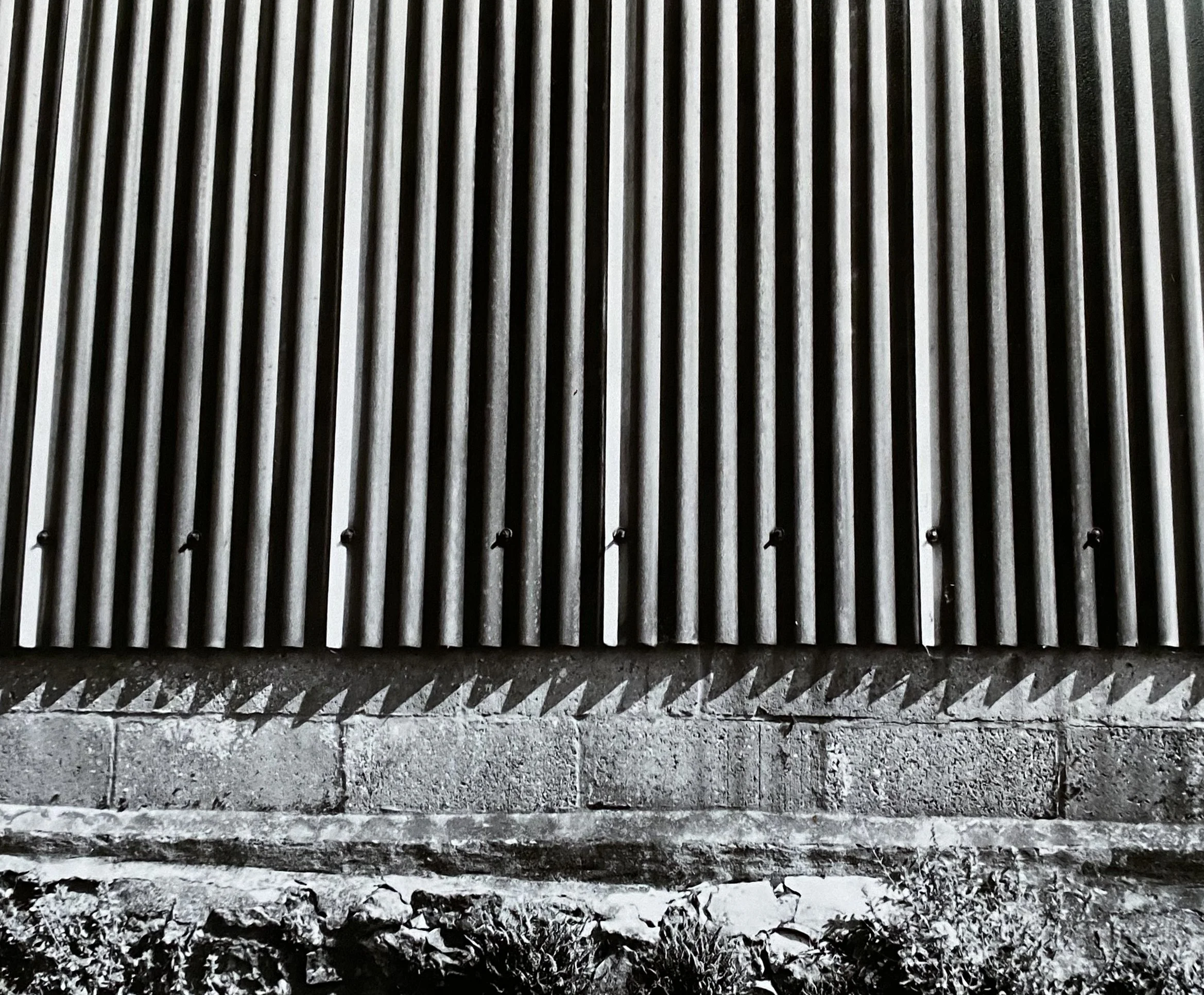
Their use is increasingly for redevelopment and adaptive re-use. Few of these buildings remain in their unaltered state. However in pockets of the English countryside glimpses of an old way of life creak on and with it nostalgia has taken hold. Romance for the decay remains and in this instance the notion of, perhaps, a past better lived.
Inspired by the anthropology of James Ravilious’ Devon images of the 1970’s and Edwin Smith’s examination of British architecture this series aims to capture how the redundant architectural forms persist, even as they and their reason for being are failing.
Author Bio:
Laura Diggens studied History of Art in Italy before returning to the UK to pursue her design career. Alongside designing, Laura works as an architectural illustrator using ink and watercolour to create technical drawings for fellow designers as well as more whimsical architectural portraits.
SAHGB Photo Essay Series:
‘Capturing Architectural History’ is an ongoing photo essay series that celebrates the vital relationship between photography and architecture. Architectural photography plays an integral role in how we document, interpret, and ultimately understand architectural history — shaping not only what we see, but how we remember it. Through this series, the SAHGB seeks to showcase the work of architectural photographers from around the world, foregrounding diverse perspectives on place, material, time, and use. Curated by the Editor of The Architectural Historian as part of the SAHGB’s wider platform, the series positions photography as both a creative practice and a critical tool for engaging with architectural history.