What’s On
Looking Forward: Connecting, Informing & Engaging Architectural History through SAHGB’s Networks
SAHGB 70th Anniversary Event
In the afternoon of May 1st, preceding the annual conversation, SAHGB’s EDI & ECR Networks will host a 2-hour workshop on the theme of challenges and opportunities in architectural history today.
Annual Conversation: ‘Mind the gap(s)’
Feminist approaches to architectural historiography
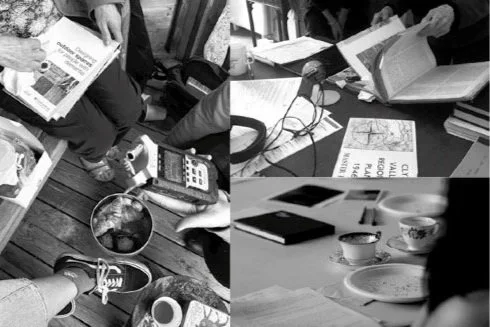
Voices of Experience intergenerational conversations (2016-24) and exhibitions (2019, 2025) reveal a wide scope of what is defined as architectural work, how it takes place and how this knowledge enters professional records and culture.
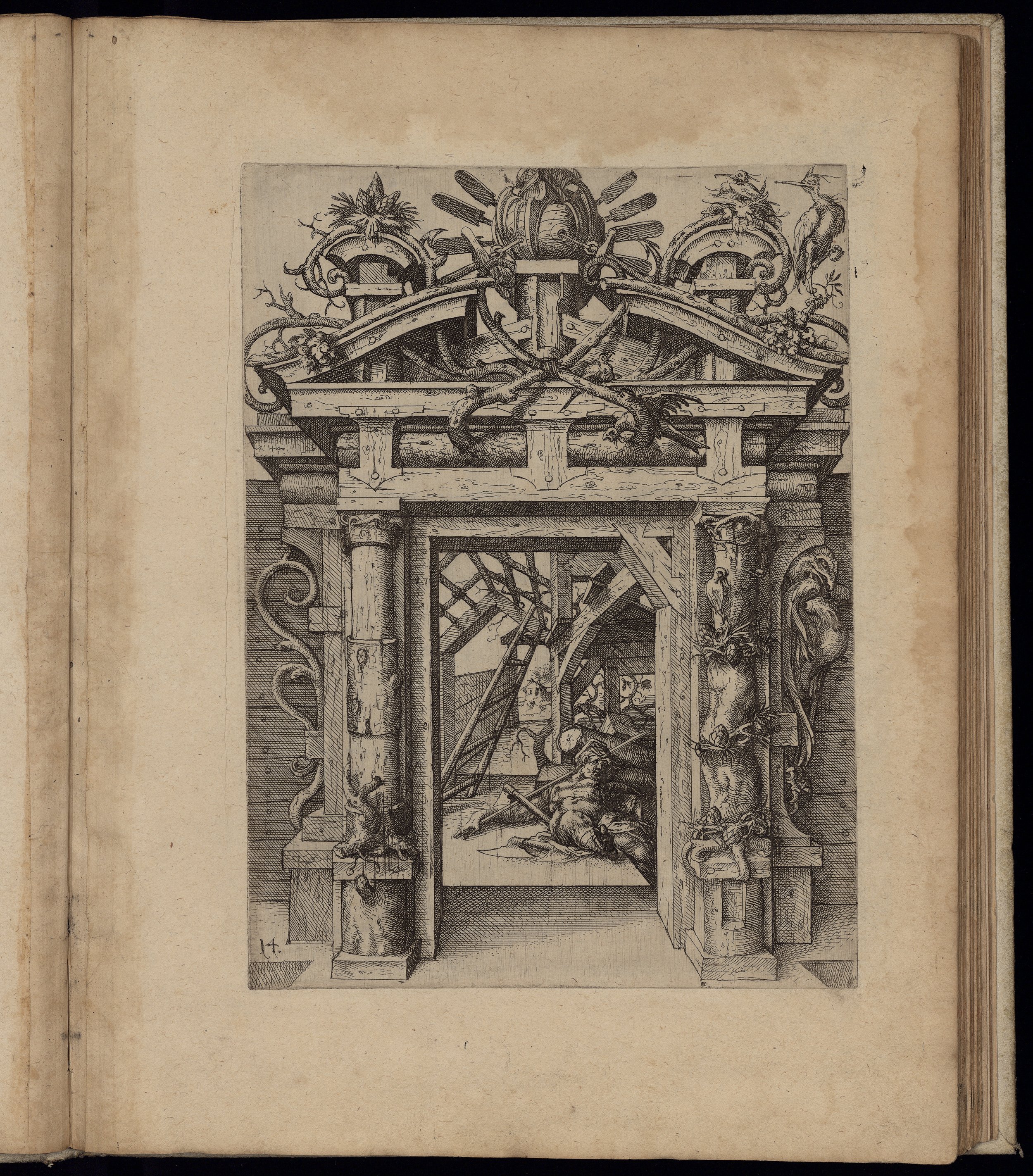
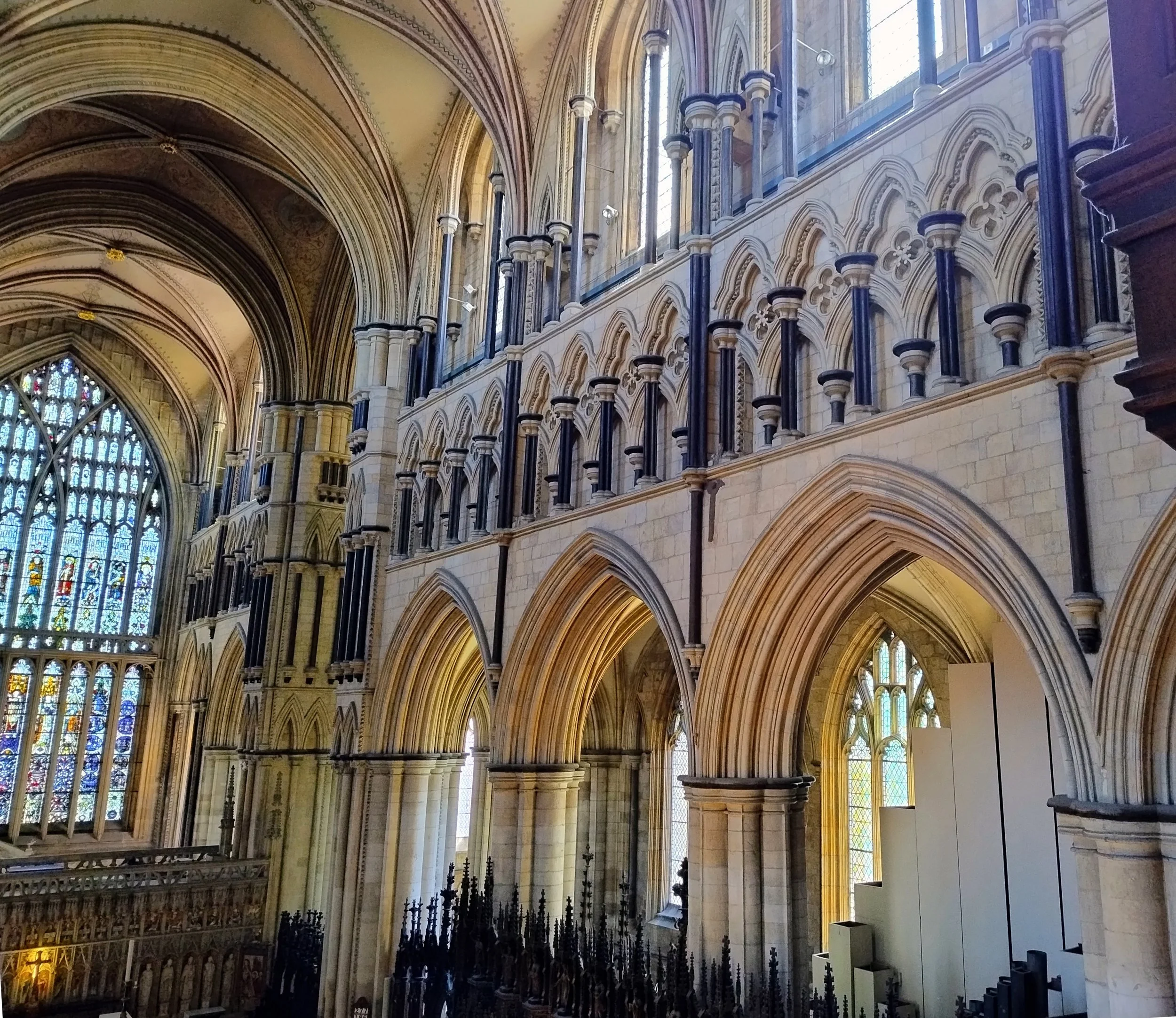
Fictive Spaces in Gothic Architecture: Lincoln Cathedral and Beverely Minster
SAHGB - IHR Seminar
Speaker: Michele Vescovi
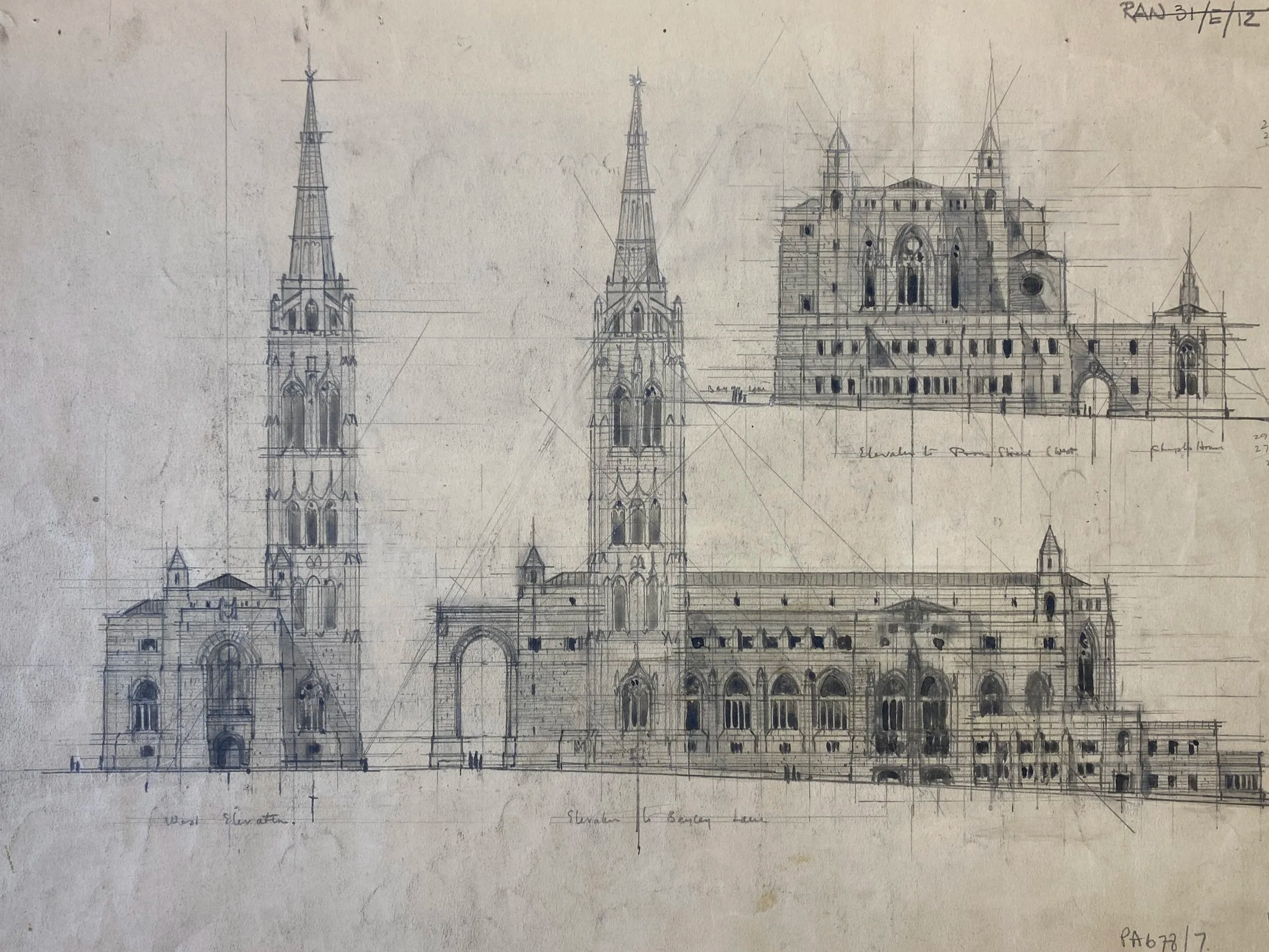
Translations from Drawing to Nothing: The Coventry Cathedral Competition’s Losing Designs and the ‘Faculty of Clairvoyance’
SAHGB - IHR Seminar
Speaker: Harry Foley
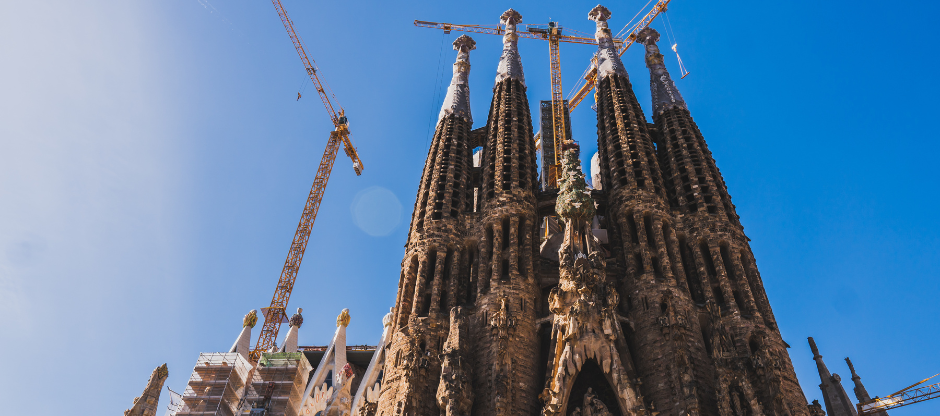
Barcelona Study Tour
Register Interest
Barcelona has richly varied architecture, and the opportunity has arisen to secure privileged visits to to some of the city’s most iconic and rarely accessible architectural and cultural landmarks.
Craftspeople and the Building Revolution of the Seventeenth Century
SAHGB - IHR Seminar
Speaker: Steven Brindle
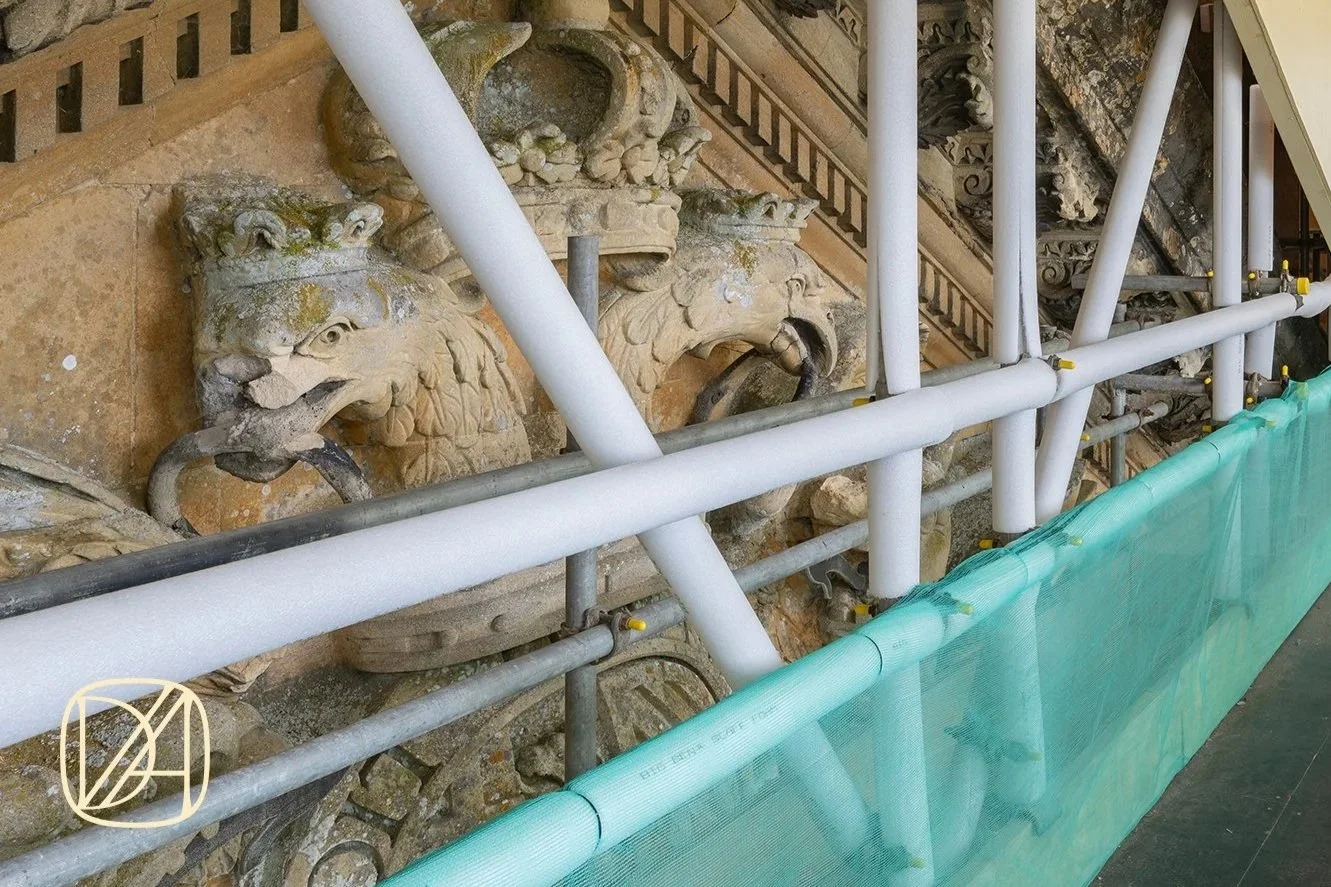
Panel Talk: Vanbrugh's Hidden Blenheim
Hosted by Donald Insall Associates, this panel talk will explore Vanbrugh’s original design of Blenheim Palace and on-site findings from the current £12m conservation project.

‘A wondrous bird is the Pelican’: The 1950s Revolution in British Architectural History
SAHGB Annual Lecture 2026
Speaker: Elizabeth McKellar
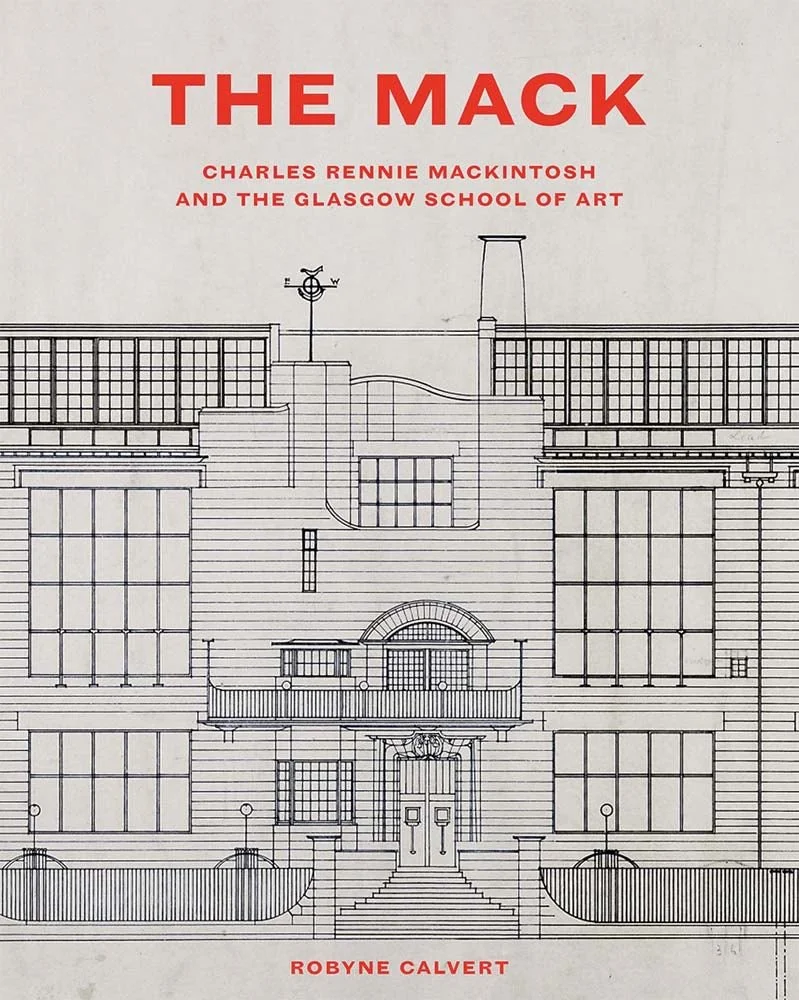
Through the Fires: The Mackintosh Building at the Glasgow School of Art
SAHGB - IHR Seminar
Speaker: Dr Robyne Calvert
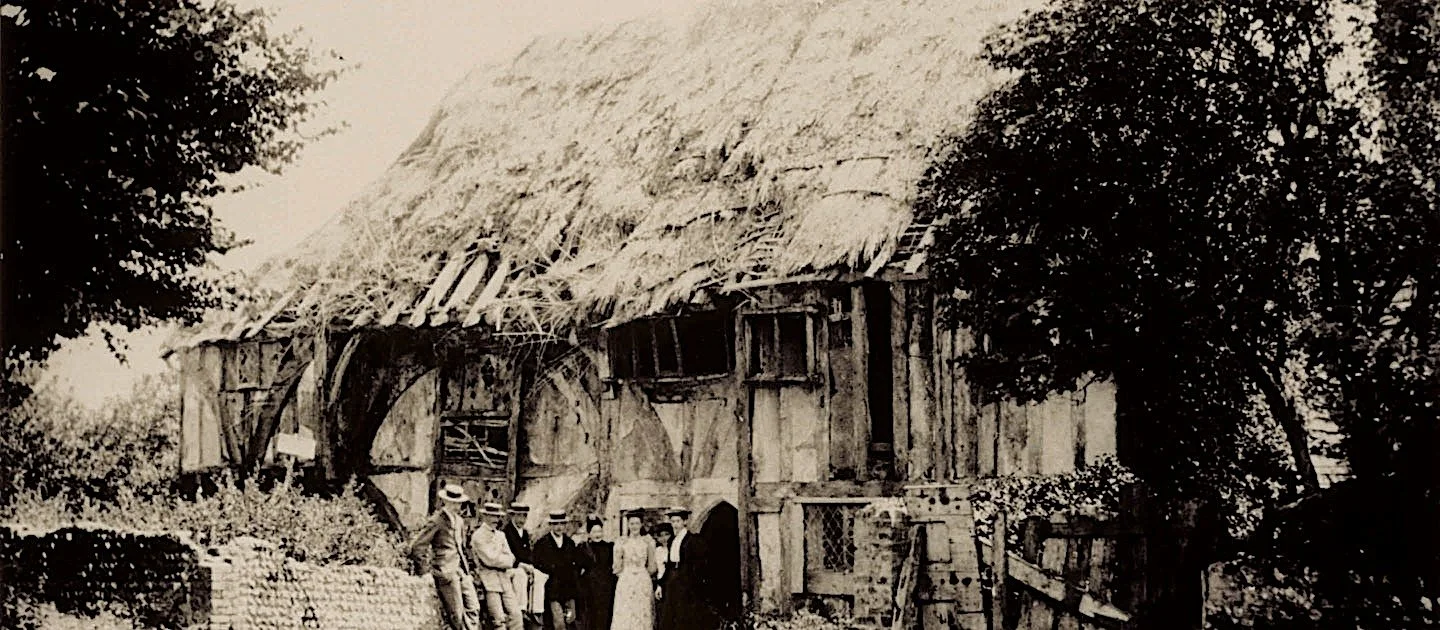
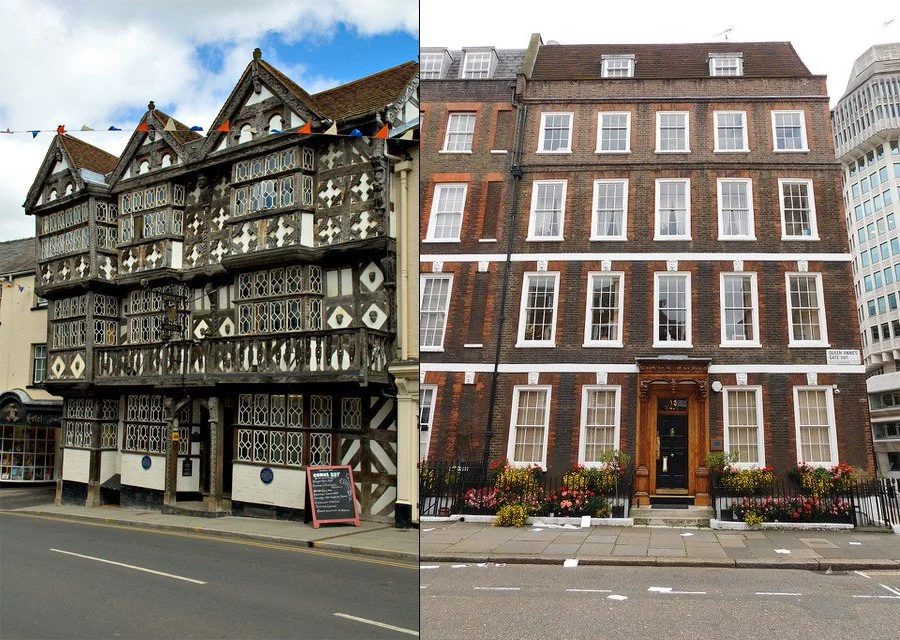
Beauty for the People: Architecture and the Queer Origins of the National Trust
SAHGB - IHR Seminar
Speaker: Michael Hall
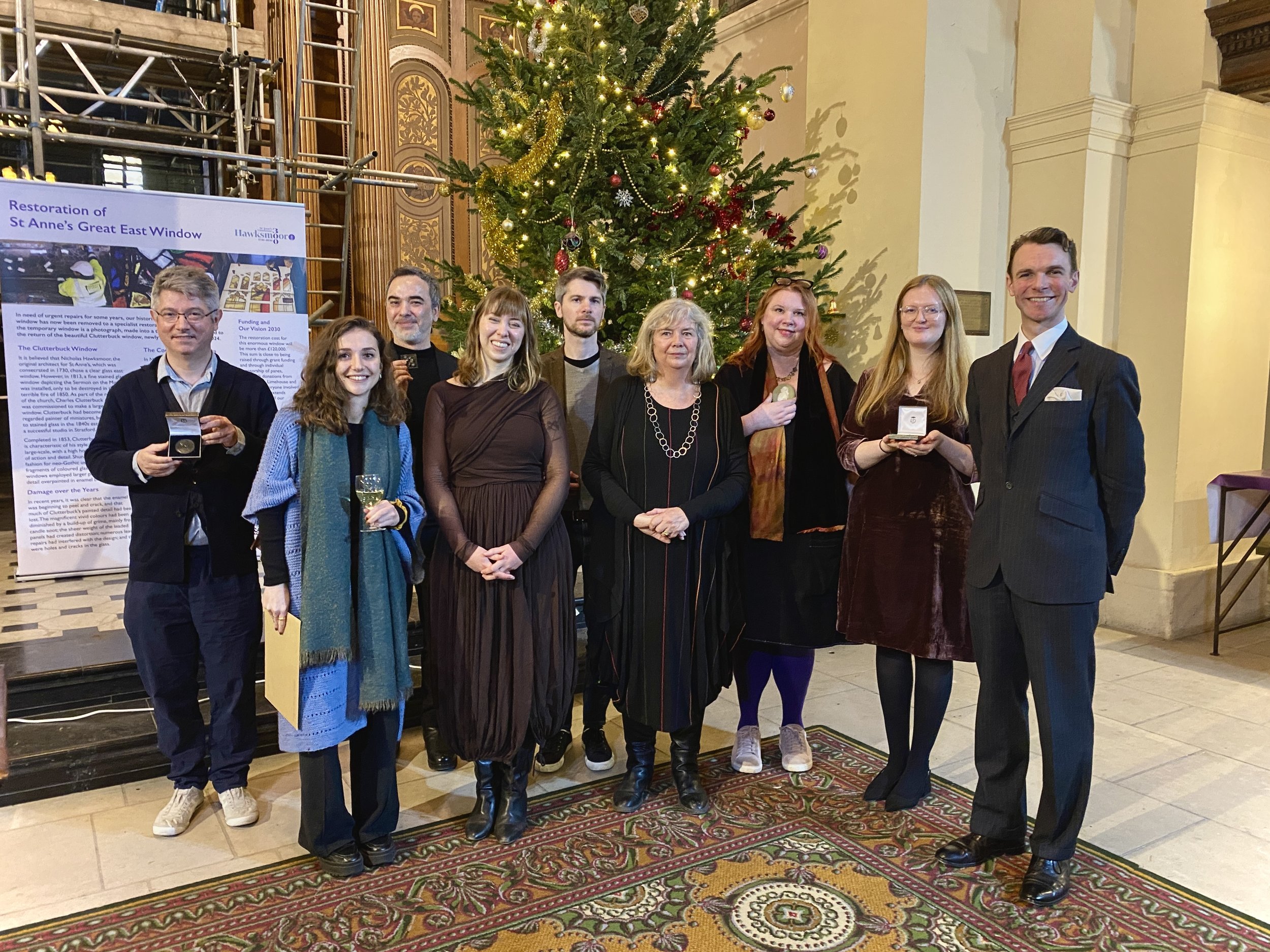
2025 Annual General Meeting
The Annual General Meeting of the Society of Architectural Historians of Great Britain
The Alan Baxter Gallery, 75 Cowcross St, London.
Hostel, House and Chambers: Accommodating the Victorian and Edwardian Working Woman
SAHGB - IHR Seminar
Speaker: Emily Gee
9.5mm to 35mm, Rome to Greece: Architecture, Classical Antiquity, and the Silent Screen
Online Lecture
Speakers: Dr Aylin Atacan & Professor Maria Wyke
Architectural Historiography in the British Isles: National and International Perspectives
The Second Annual Mark Girouard Symposium
Since 1980, studies of the historiography of architectural history, as well as the institutional and cultural frameworks within which it is situated, have grown enormously. The symposium seeks to examine how the discipline has developed over the past forty years and to ask what forms architectural history takes today in Britain and Ireland.
Places of the Imagination: Painting the City in the Sassetti Chapel, Florence
SAHGB - IHR Seminar
Speaker: Caspar Pearson
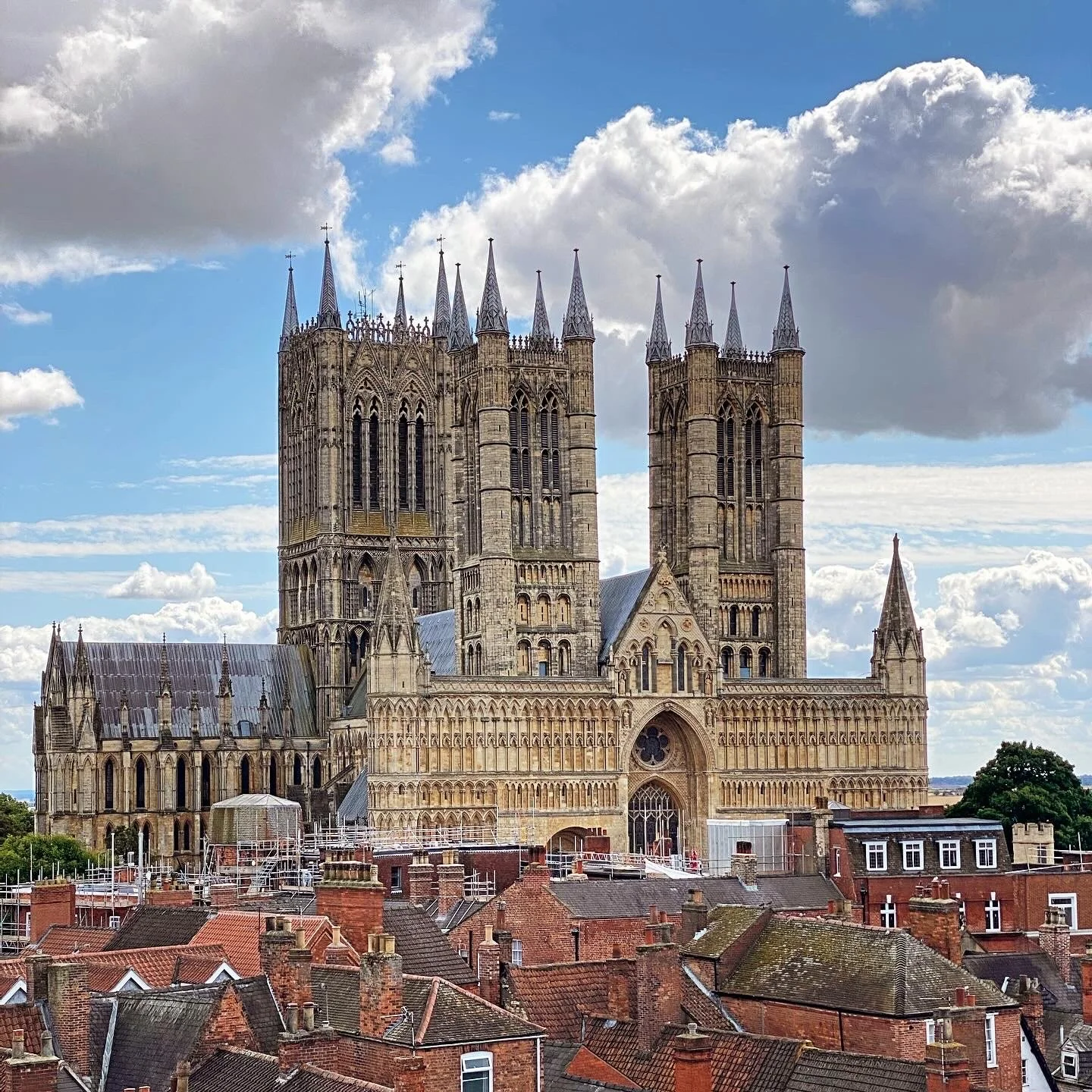
Study Day to Lincoln Cathedral Close
Fully Booked
A day exploring the medieval close of Lincoln Cathedral, including insights by experts undertaking new dendrochronology research, and exclusive access to buildings not open to the public.
SAHGB ‘Future Heritage’ Conference 2025
This two-day SAHGB conference, supported by Docomomo-International and Docomomo-Scotland, will explore the idea of ‘Future Heritage’.
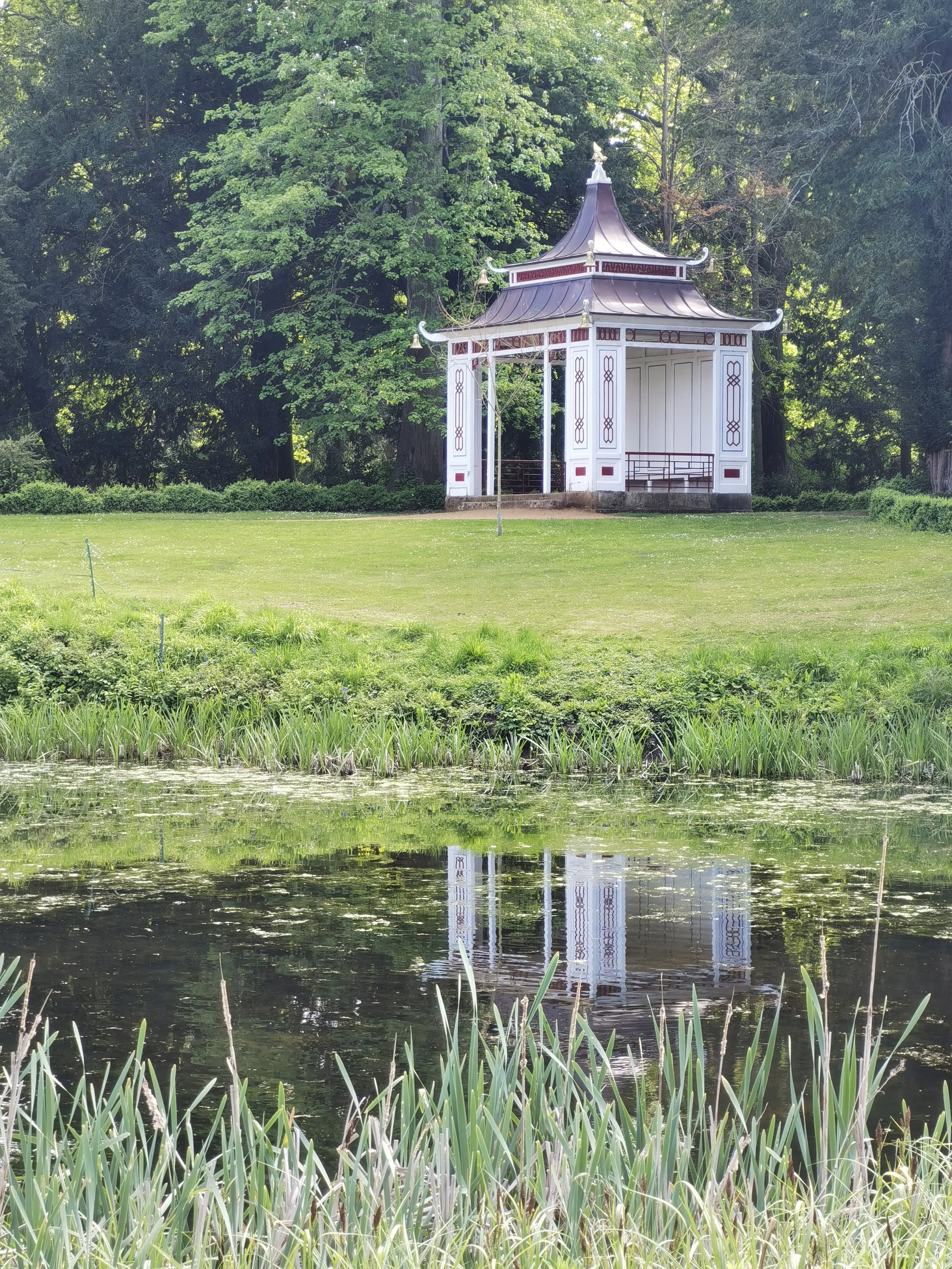
The Institutionalisation of ‘taste’ in Architecture: The British Construction of Chinoiserie in the 17th and 18th Centuries
This seminar will move beyond traditional frameworks of national identity and political history, exploring the unique role of personal encounters in constructing Chinoiserie architecture in 17th- and 18th-century Britain.
When is a Building Finished? Lessons from Late Medieval Architectural Culture
Since the Renaissance, architectural writers have often conceived the subject in terms of the design and the designer - prioritising them over the social context, the materiality of buildings, the methods of construction employed and their life in use, which usually involves physical alteration.
Carboniferous Creations: Victorian Gothic Revivalism and the Ecocritical Turn
In this lecture Alex will explore how we might interpret the modern Gothic Revival as a unique outcome not merely of industrialisation but of the carbon-based economy that drove it, suggesting an ecocritical historiography that foregrounds its environmental allusions and discontents.
The SAHGB Annual Lecture: A Conversation About the Shape of Buildings to Come
Convened and chaired by: Tanvir Hasan
Guest speakers: Tom Foxall, Niall McLaughlin, Ingrid Schroder, and Amin Taha
Difficulty and Delight: Unpacking the complexities of architectural success
This three-week in-person course explores the creativity and ingenuity needed to create buildings in all manner of environments. In collaboration with the RIBA.
Women in Building Construction in the Early Modern Period
Abstract:
In a session held jointly with the seminar Architectural History (SAHGB/IHR) and the Women’s History seminar (IHR), a panel of researchers who are leaders in the field of women in building construction will discuss and debate the role of women in the building trades in the Early Modern Period. Questions and issues which have reoccurred in historical research over many years will be considered. What trades did women undertake? Did women learn and exercise building skills? Did they apply them on site or in workshops (were they hands-on?)? The historical record is very uneven and often unclear. Historians have questioned whether it can be assumed that a woman named as a carpenter, plumber, mason, etc. actually was. Long-standing issues of widows, apprenticeship and women in business as builders will be aired and interrogated from the different perspectives of speakers.
For the history of women in building construction in Britain and Ireland in the Early Modern Period, the discussion brings together Linda Clarke, Conor Lucey, Amy Erickson, and Kirsty Wright and Elizabeth C. Biggs with an overview of European gender-based practices from Shelley E. Roff. After short papers of ten minutes the panellists will follow up with a discussion of issues arising from the presentations, both contested and agreed, with those attending the seminar in-person and online invited to take part.
Recording:
To view recordings of our past events, please ensure that your active SAHGB Membership is connected to a Digital Account.
Looking Back - Looking Forward: The Work and Legacy of Mark Girouard
This symposium – organised jointly by The Courtauld, the University of Kent, and the SAHGB – celebrates the extraordinary work and legacy of Mark Girouard (1931-2022), one of Britain’s greatest architectural historians, whose work continues to revolutionise the scope and perceptions of the discipline both within academia and beyond. Mark’s knowledge and expertise were as eclectic as they were ground-breaking, whilst his infectious passion and willingness to share them with, and foster them in others, was truly remarkable. Several generations of architectural historians have benefitted from, and indeed have been formed by, his support and writings. It will provide an opportunity for some of the leading architectural historians of Britain and Ireland to both reflect on how the vast corpus of Mark’s work has influenced their own thinking in the past, and, most importantly, to present new research and novel insights within the various fields impacted by Mark’s writing.
The symposium has been planned to take place as part of the foundational year of the SAHGB Girouard Fund, established in Mark’s name to support publications, research and programmes in architectural history.
Opened with addresses given by the Märit Rausing Director of The Courtauld, Mark Hallett, and Blanche Girouard, the day will commence with a keynote paper given by Maurice Howard (University of Sussex), followed by three sessions, each covering a different realm impacted by Mark’s scholarship and academic influence. The sessions range from sixteenth-century architecture to present and future concerns in architectural history, and will consider Mark’s influence on subjects as various as Early Modern state apartments; the study and perception of the Irish country house; Victorian pubs; and modern architecture in the pages of Country Life.
The conference convenors are Manolo Guerci (University of Kent); Kyle Leyden (The Courtauld Institute) and Elizabeth McKellar (SAHGB President).
Speakers will include: Gordon Higgott (former English Heritage), Emily Cole (Historic England), Margot Finn (UCL), Frances Sands (Sir John Soane’s Museum), Patricia McCarthy (Trinity College, Dublin), John Martin Robinson (College of Arms), Edward McParland (Trinity College, Dublin), Andrew Saint (The Bartlett), Michael Hall (Apollo Magazine), Alan Powers (The 20 th Century Society), and Jeremy Musson (former Country Life).
Painting Architecture in Early Renaissance Italy: Invention and Persuasion at the Intersection of Art and Architectural Practice
This SAHGB - IHR seminar will be a hybrid event, taking place online and in person at the Institute of Historical Research, Pollard N301 (3rd Floor, North Block of Senate House, Malet St, London WC1E 7HU).
Abstract:
Why did artists include prominent architectural settings in their narrative paintings? Why did they labour over specific, highly innovative structural solutions? Why did they endeavour to design original ornamental motifs which brought together sculptural, pictorial and architectural approaches, as well as showcasing their understanding of materiality?
Painting Architecture in Early Renaissance Italy addresses these questions in order to shed light on the early exchanges between artistic and architectural practice in Italy, arguing that architecture in painting provided a unique platform for architectural experimentation. Rather than interpreting architectural settings as purely spatial devices and as lesser counterparts of their built cognates, this book emphasises their intrinsic value as designs as well as communicative tools, contending that the architectural imagination of artists was instrumental in redefining the status of architectural forms as a kind of cultural currency.
Exploring the nexus between innovation and persuasion, Livia Lupi highlights an early form of little-discussed paragone between painting and architecture which relied on a shared understanding of architectural invention as a symbol of prestige. This approach offers a precious insight into how architectural forms were perceived and deployed, be they two or three-dimensional, at the same time clarifying the intersection of architecture and the figural arts in the work of later, influential figures like Giuliano da Sangallo, Raphael, Michelangelo and Baldassarre Peruzzi, whose work would not have been possible without the architectural experimentation of early fifteenth-century artists.
In conjunction with our October seminar, the speaker is leading a viewing of materials at the Soane Museum the same afternoon, limited to 10 places.
Registration:
Please use the form at the bottom of the page and watch for the pop-up message that will appear on screen after you submit your details. You can copy the Zoom details that will be shown in this message, for those joining remotely.
Speaker Bio:
Livia Lupi is a historian of art and architecture in early modern Europe, with a focus on the intersection of artistic and architectural practice. Her work has been funded by the Arts and Humanities Research Council, the Leverhulme Trust and the Warburg Institute. In addition to her research, she works as a curator, editor, and translator.
Image Caption: Book Cover, Painting Architecture in Early Renaissance Italy
Book A Place:
Architecture as Transmedial Practice: A First-Hand Examination of Copies from Francesco di Giorgio’s Opusculum and the North Italian Album
In conjunction with our October seminar, the speaker is leading this viewing of materials at the Soane Museum, limited to 10 places.
Abstract:
This visit is an opportunity to examine first-hand two key works of the Italian Renaissance in the collection of the Sir John Soane’s Museum: the North Italian Album (c. 1500) and a partial copy of Francesco di Giorgio’s Opusculum de architectura (vol. 128; c. 1550). The North Italian Album is an eclectic collection of cityscapes and colourful designs for buildings and objects. In dramatic opposition, the Francesco di Giorgio copy-drawings belong to a workaday model book of machine designs produced by tracing. Including comparative material in the Soane’s collection such as the remarkable Codex Coner, discussion will centre on the conventions of architectural drawings in Renaissance Italy and on the relationship between artistic and architectural practice, enabling participants to reflect on the strategies of architectural representation and questioning our understanding of what constitutes an architectural drawing. The visit is led by Livia Lupi (University of Warwick), author of Painting Architecture in Early Renaissance Italy and curator of forthcoming digital exhibition Beyond the Painter-Architect: Artists Reinventing Architecture in Renaissance Italy, and by Elizabeth Merrill (University of Ghent), an expert on Francesco di Giorgio and Principal Investigator of ERC project Copying as Common Practice in Early Modern European Architecture.
Registration:
To book a place, please email stephen.gage@sahgb.org.uk
Max. 10 participants
Speakers:
Livia Lupi is a historian of art and architecture in early modern Europe, with a focus on the intersection of artistic and architectural practice. Her work has been funded by the Arts and Humanities Research Council, the Leverhulme Trust and the Warburg Institute. In addition to her research, she works as a curator, editor, and translator.
Elizabeth Merrill specializes in early modern Italian architecture. Much of her research centers on Francesco di Giorgio Martini (1439-1501) and the artistic and technical culture of fifteenth-century Italy, which is traced through surviving model books, copy drawings, and illustrated treatises. Currently she is the Principal Investigator of the ERC-funded project “Copying as Common Practice in Early Modern European Architecture.”
Image Caption: Francesco di Giorgio Martini (1439-1501), Hoeing machine (top), and Windass with double-pulley (bottom), Opusculum de architectura, c. 1475. London, The British Museum, ms. 197.b.21, fol. 5r. © The Trustees of the British Museum
Members’ Study Tour to Norfolk and Norwich
River Wensum, Photo used with permission of Dr Stephen Gage
July Seminar: The Religious Architecture of Alvar, Aino and Elissa Aalto. Speaker: Sofia Singler
© Alvar Aalto Foundation. Church of the Three Crosses , 1958
Past Events
Annual Lectures
2026
Elizabeth McKellar, ‘A wondrous bird is the Pelican’: The 1950s Revolution in British Architectural History
2025
Tanvir Hasan, Tim Foxall, Níall McLaughin, Ingrid Schroder, Amin Taha, A Conversation About the Shape of Buildings to Come
2024
Paul Binski, Architecture and Affect in the Middle Ages
2023
Tim Benton, Badovici’s Eclectic Modern: The Vézelay Houses
2022
-
2021
Christine Stevenson, Telling Stories of the Great Fire of London