
News & Features
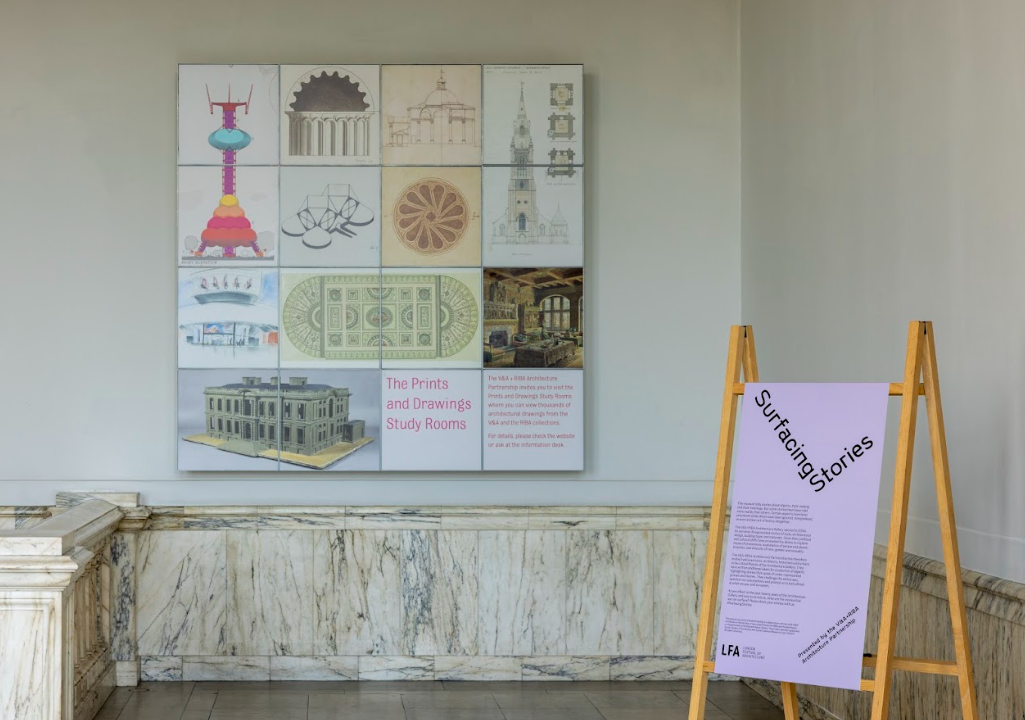
Surfacing Stories in the V+A and RIBA Architecture Gallery
When preparation for the Victoria and Albert Museum (V&A) + Royal Institute of British Architects (RIBA) Architecture Gallery was underway about 25 years ago, external consultation was carried out with a variety of different audiences to determine which architectural subjects potential visitors wanted to see represented in what was then the UK’s first permanent architecture gallery.
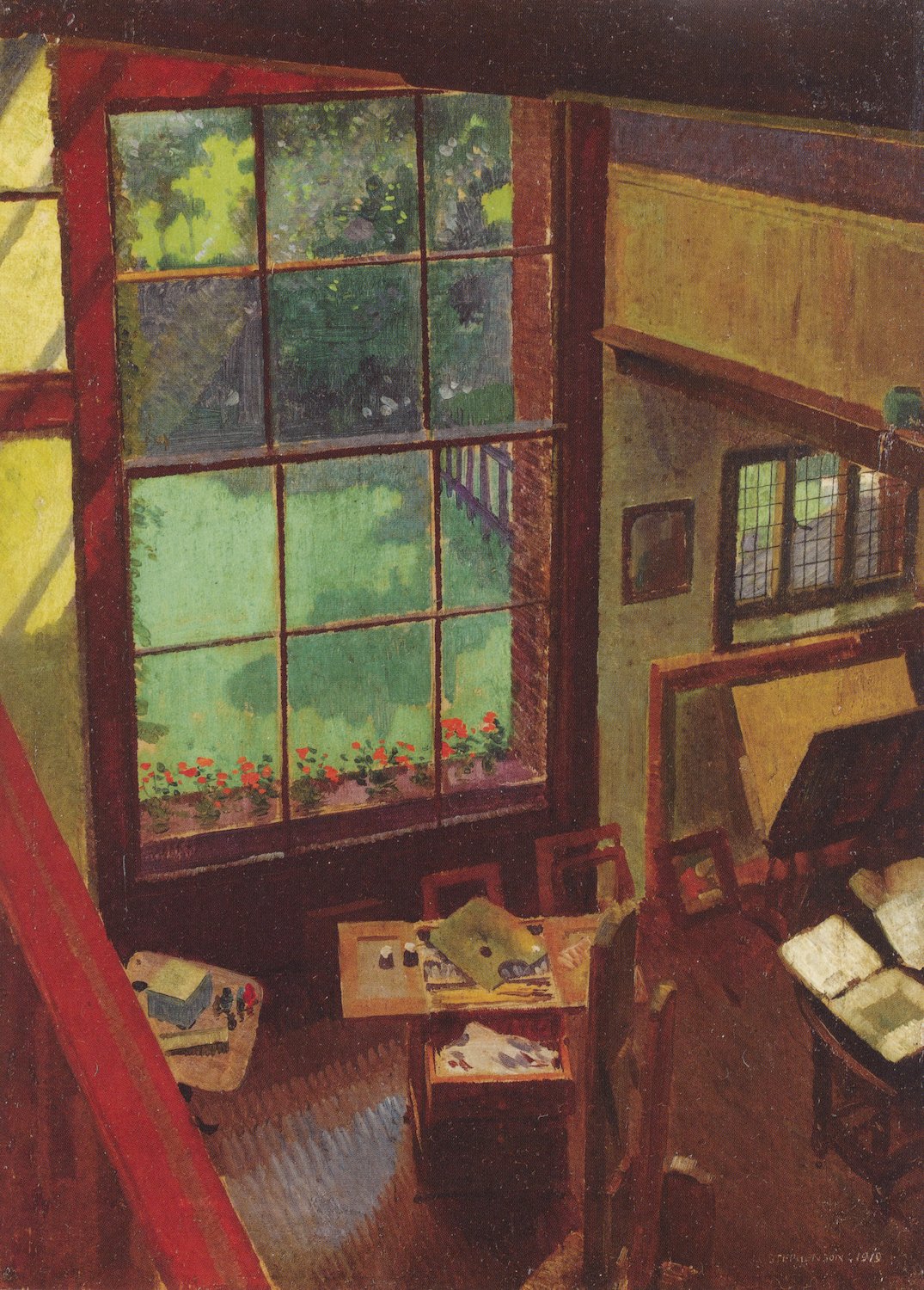
Modernism at the Mall
From the mid-nineteenth century, successful artists gravitated to studio houses in prosperous Chelsea and Kensington. The less affluent artists tended to work in left-over industrial spaces in the more insalubrious parts of town. In the 1860s, when Hampstead became part of the suburban railway system and joined up with the city, some less-established artists began to move to Belsize Park, down-hill from Hampstead village, where earlier generations of artists including Constable, had lived and worked.

Our MA scholar shares experiences from her Master’s in Conservation of the Built Environment
Through this short article, Atarah Adams, our 2022-2023 MA scholar, shares her experiences from her Master’s in Conservation of the Built Environment at Birmingham City University.
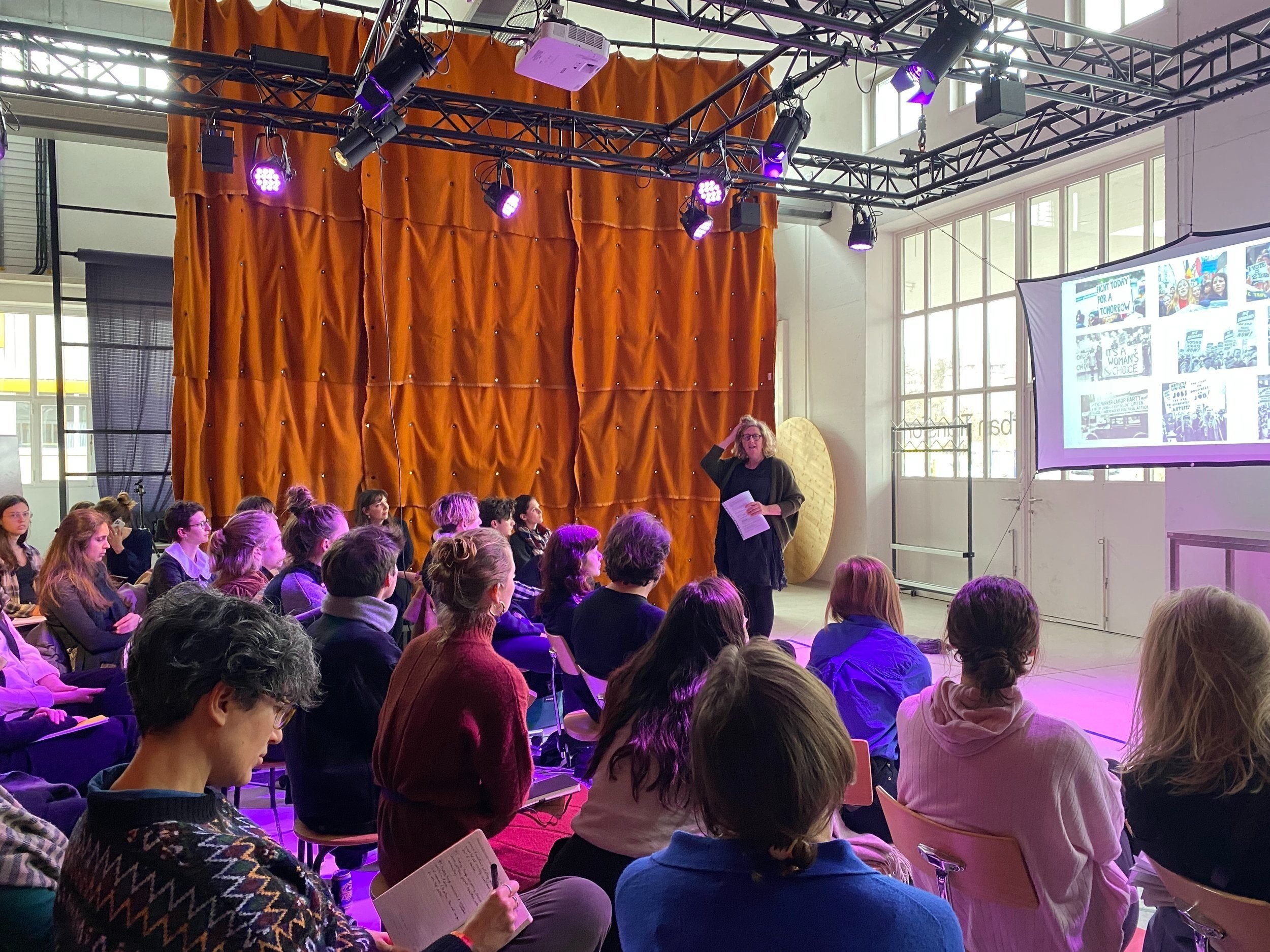
Women Writing Architecture: Communal Bibliography
Live since the end of June 2021, womenwritingarchitecture.org is an online, open-source annotated bibliography of writing by women about architecture. Initially designed to serve as a resource for academics and teachers when creating booklists and searching for critics, for example, the intention was to make it easier to stretch and test ‘the canon’ of architecture and its history.

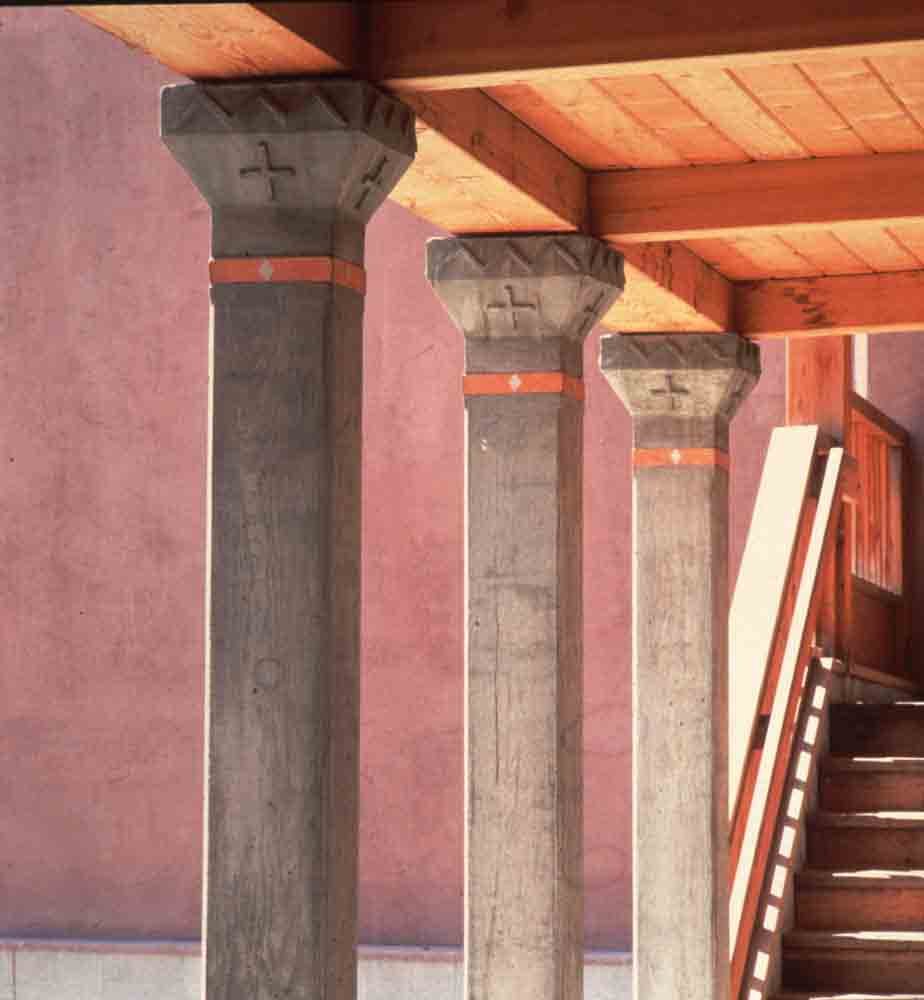
Remembering Christopher Alexander
As a leading critic of the theory and praxis of mainstream post-war architecture, Christopher Alexander’s place in the history of design theory is clearly unconventional. As such, any recollection of his extensive career and influence must fall outside of the typical architectural obituary which tends to a) focus on the most iconic structures they designed and b) place them within an art-historical ‘arc’ narrative.
The Doorstep
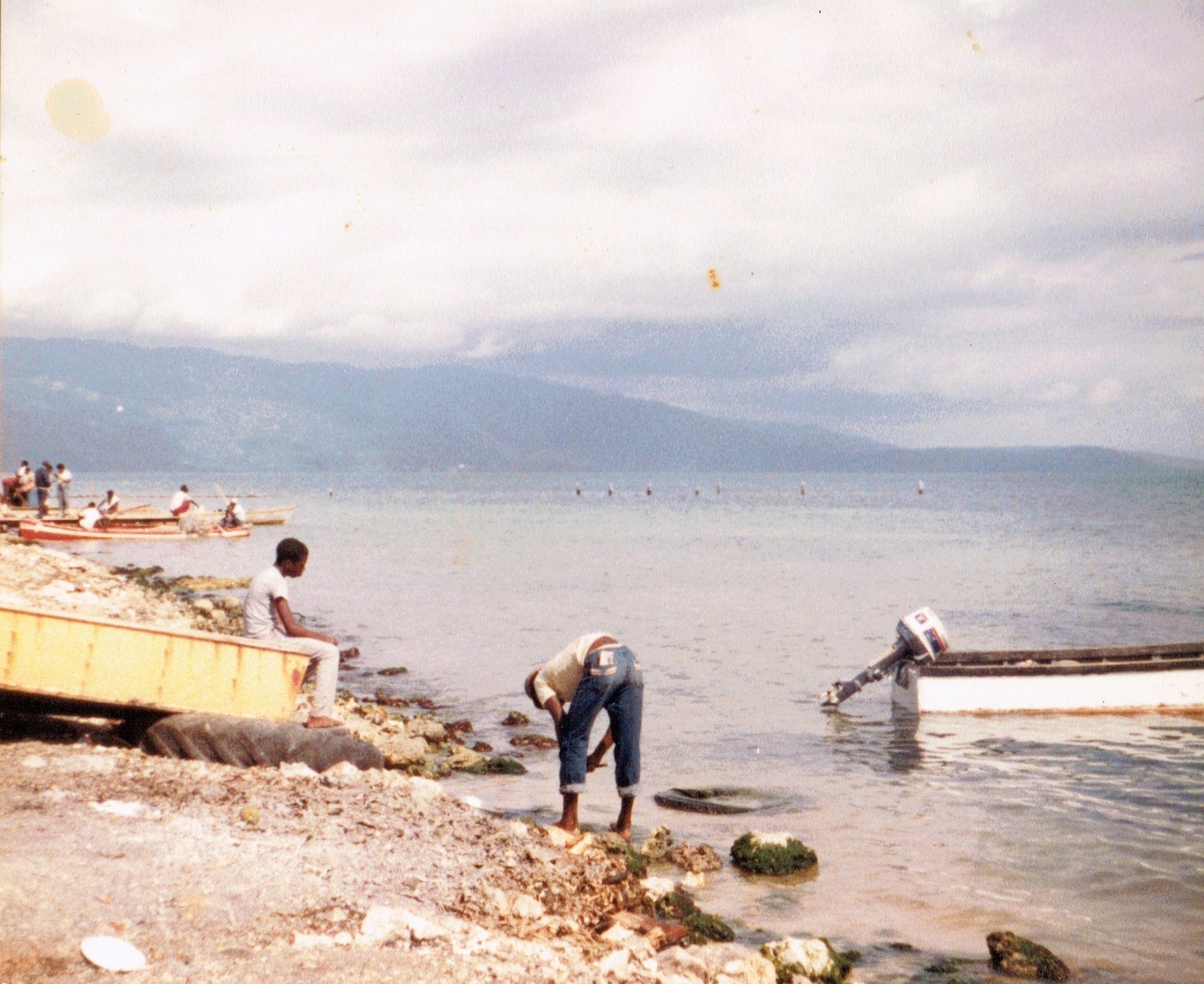
Sharaye Campbell, a Master of Architecture graduate from the University of Westminster, discusses the findings of her 5th year dissertation titled “The Doorstep.” The writing is based around the lives and journey of her Jamaican migrant grandparents in the 50’s and the role material culture played in Britain as a method of maintaining memories of their homeland.
Perceptions of Florida in the Gilded Age
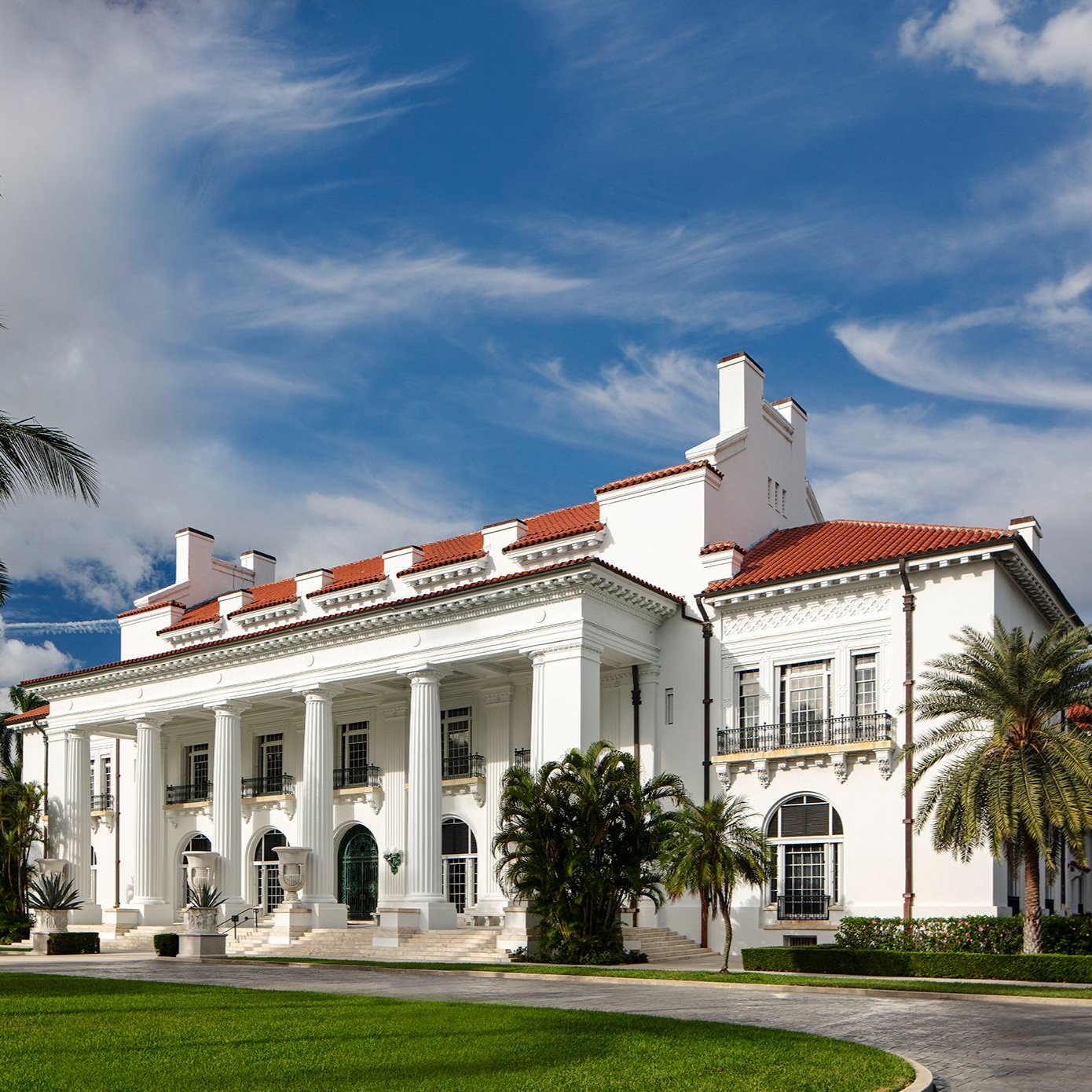
Florida-based architectural historian Tamara Morgenstern - one of the contributors to ‘The New History of the American Renaissance’ - recounts the steps that led her from the shores of Lake Worth to the pages of Architectural History.
Darker Than Blue - The Eye Behind the Camera
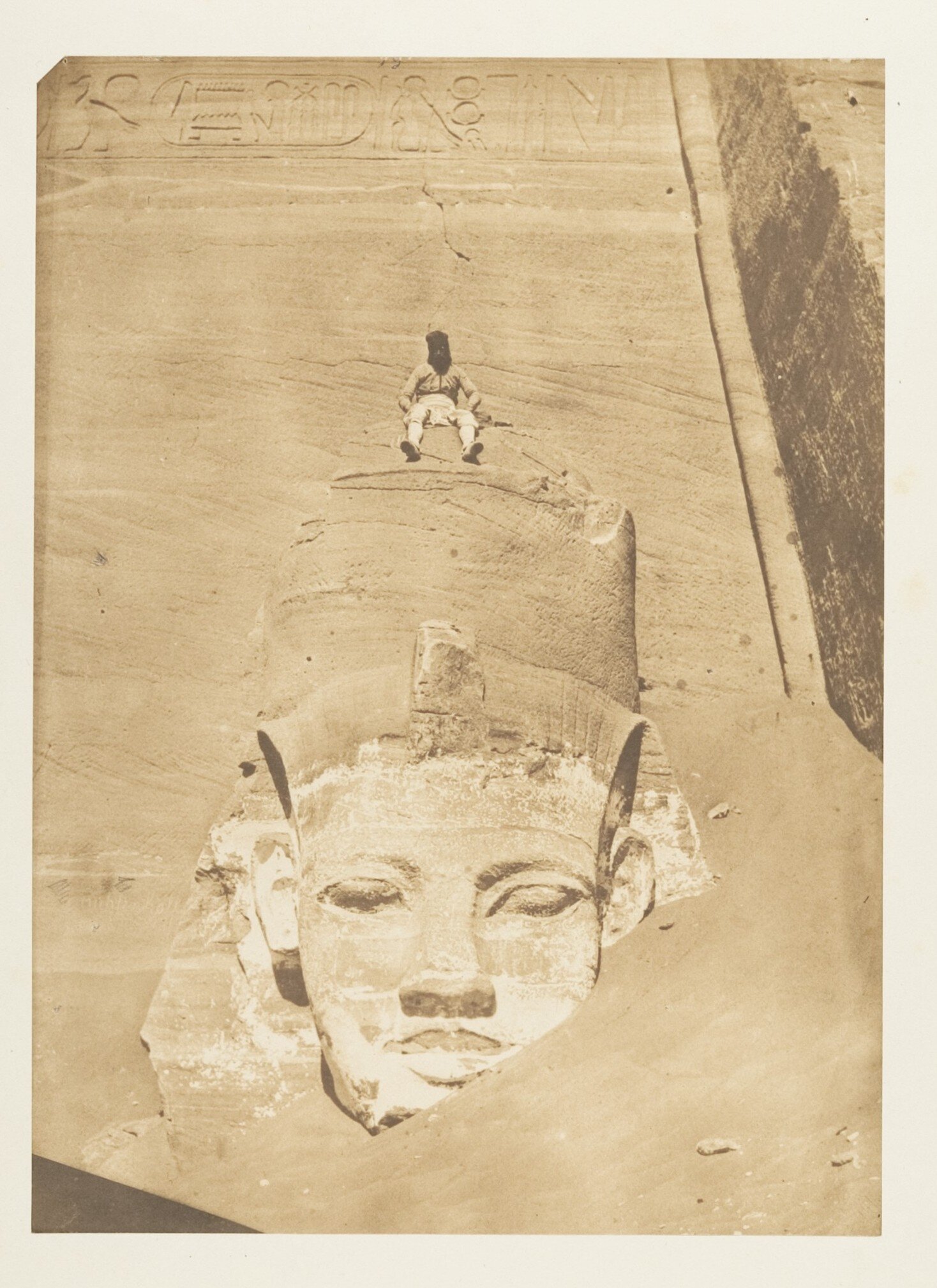
Early travellers and explorers used sketches, watercolours, and prints to record, illustrate, and share their work. In the early nineteenth century, with the development of cameras and permanent images, travellers and explorers turned to photography.
Architectural history has been closely tied to architectural photography ever since. The subjects, locations, and dates of architectural photographs are well documented however it is rarely asked, who had the equipment, the access, and the networks? Who were the tastemakers? Who has shaped architectural history through images?


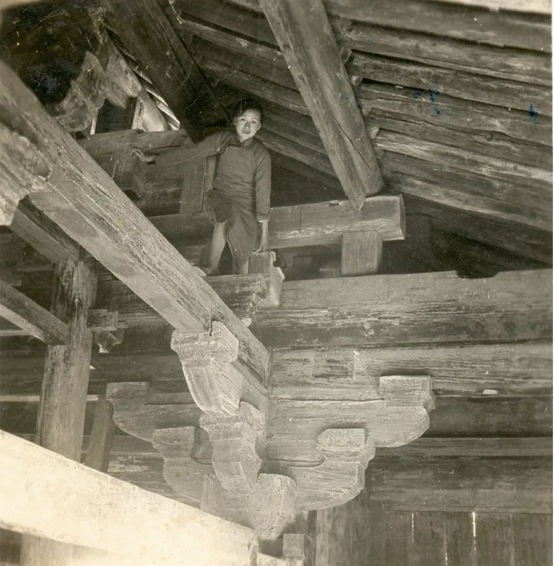
‘Other Feminist Stories’ of Architecture
If architectural history books play a significant role in convening the culture, norms, and values of the architectural discipline to newcomers, then how they teach where we find feminism; from whom we find feminism matters.
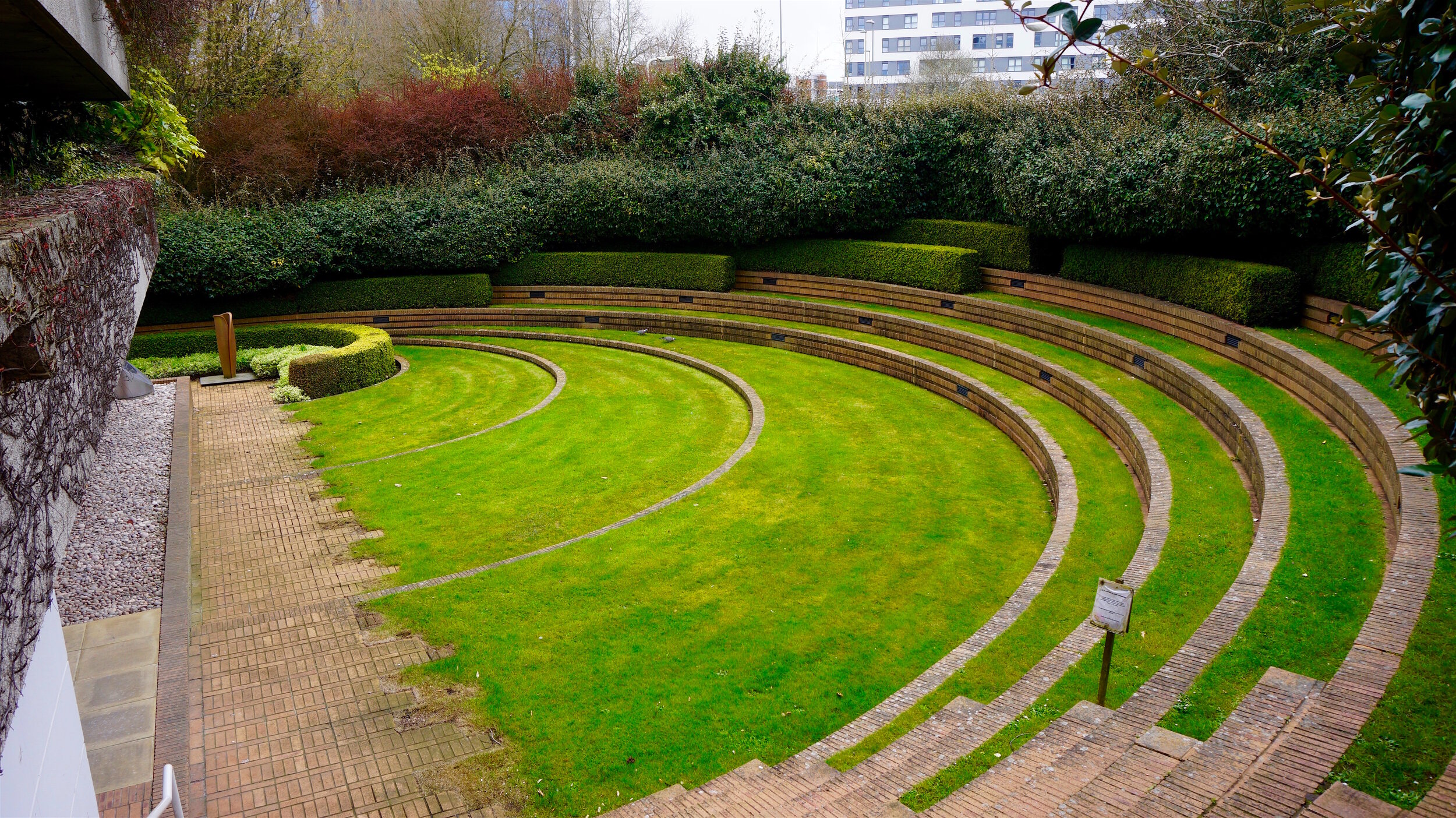
Post-War Designed Landscapes – Heritage Assets and Contemporary Life
Recent discussion on Coventry’s iconic town centre have highlighted the vulnerability of the architectural - and landscape architectural heritage of the post-war period. In this final post of the series Luca Csepely-Knorr and Karen Fitzsimon highlight a few examples that have already gone, have been altered irreversibly or are under threat to be lost.
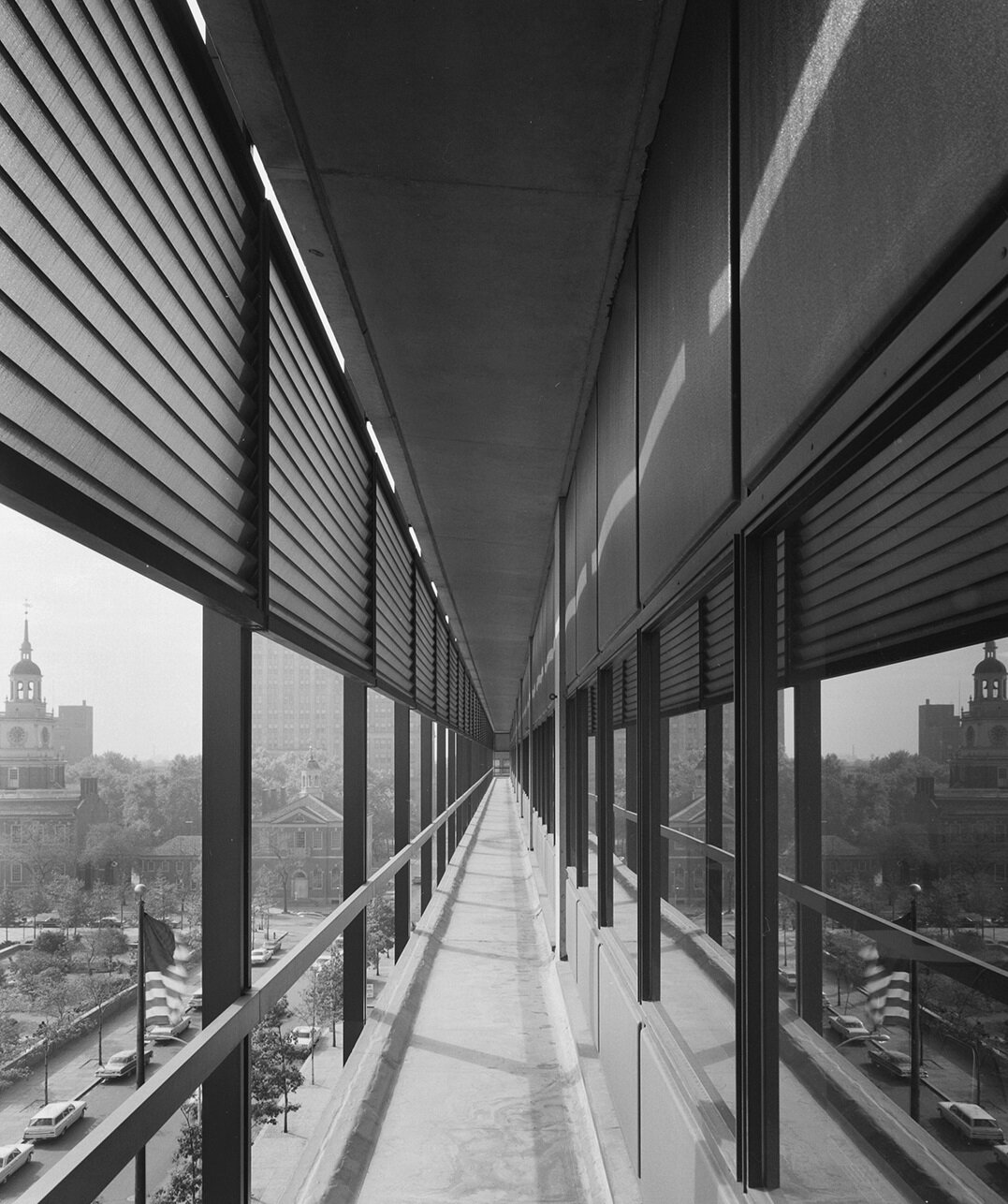
Modernism and Architectural Branding: Re-casting the histories of corporate headquarters
In her new book, Building Brands: Corporations and Modern Architecture, Grace Ong Yan discusses the evolution of architectural branding in mid-twentieth century America. Through in-depth case studies, she demonstrates how clients and architects together crafted buildings to reflect their company’s brand, carefully considering consumers’ perception and their emotions towards the architecture and the messages they communicated.

Spaces of Sickness and Wellbeing: art, architecture & experience
For better or worse, histories of health architecture have long remained tied up with the narrative of progress stemming from the Early Modern period.
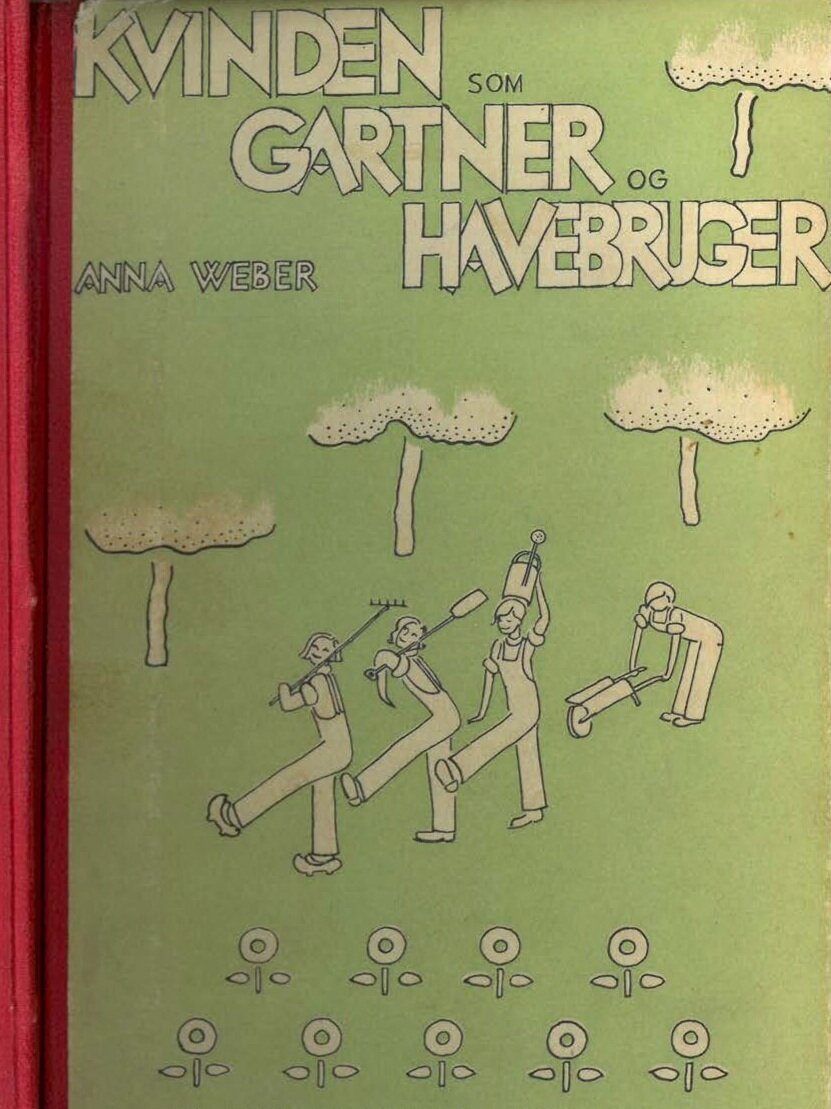
Women in Danish Architecture: A New Research Project on Gender and Practice
The role played by women design professionals in shaping the modern Danish welfare state has long been ignored, while a select band of male architects is ceaselessly glorified.
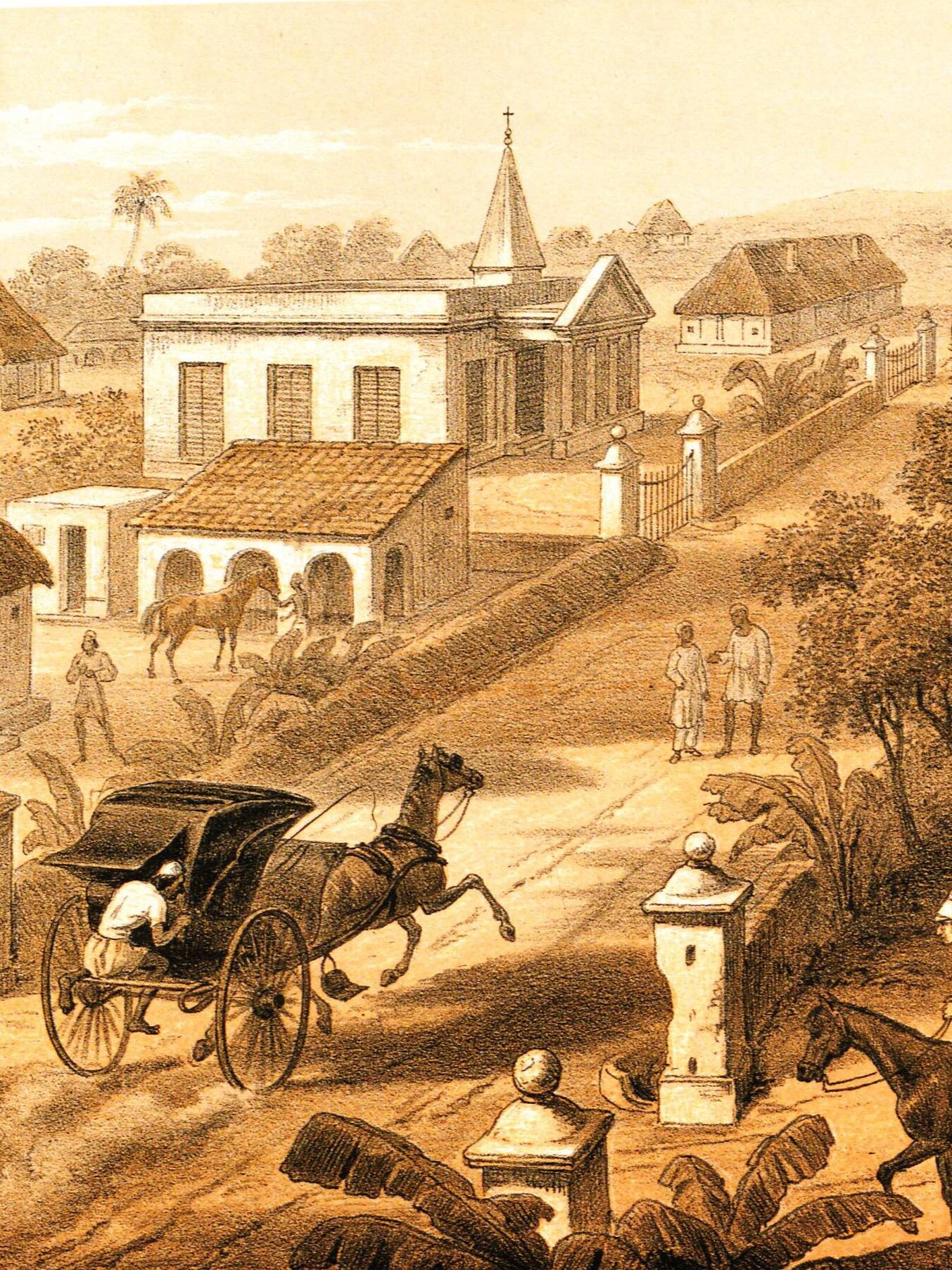
Looking for the ‘Absent’ Women in Mufassal Towns of Colonial Bengal
Confronted by the scarce imprints of Indian women in the provincial towns of 19th-century Bengal, can the evolving spatial complexity of urban domestic spaces cast light on the territorial gendering of the wider landscape, and allow us to recognise even this absence as a material presence?
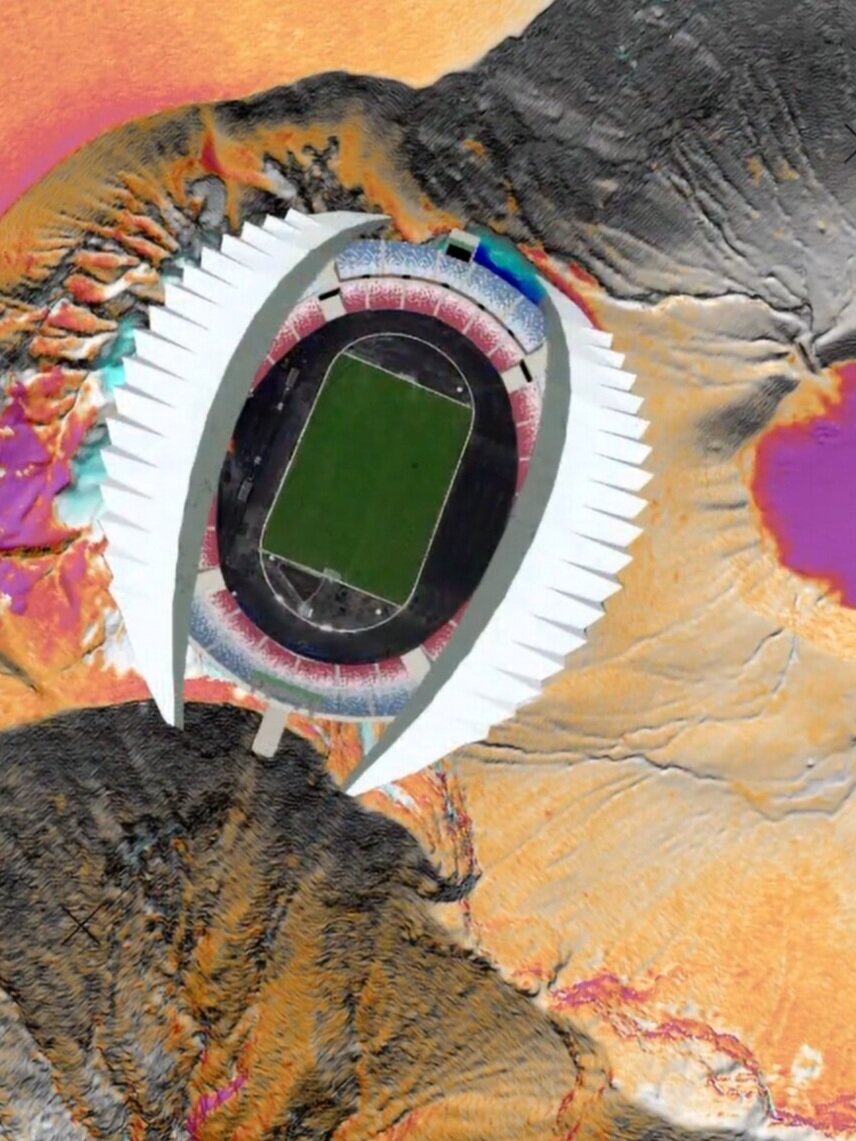
An Encounter between a Chinese Stadium and a Costa Rican Volcano on a Geophysicist’s Monitor
What do a stadium and an active volcano in Costa Rica have in common? Turning to geoaesthetics, Valeria Guzmán Verri examines this encounter to reframe discussions about the impact China’s foreign-aid projects are having in the Global South.
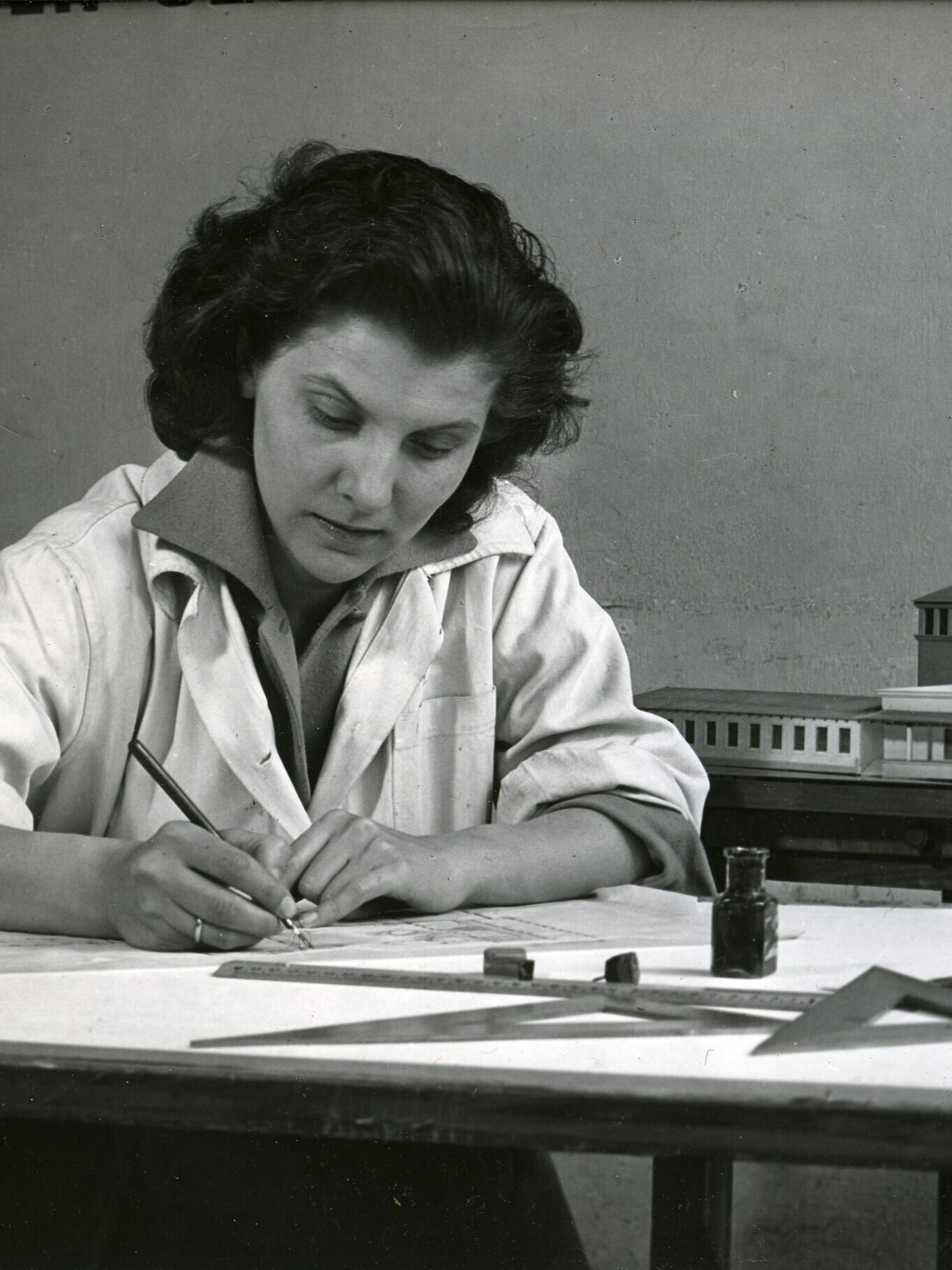
Women in Eastern European Architecture: Equal Rights with Partial Emancipation
The Hungarian architect Mariann Simon discusses the frictions between egalitarian ideologies and gendered realities that faced women architects pursuing their careers in the post-war Eastern Bloc states.